
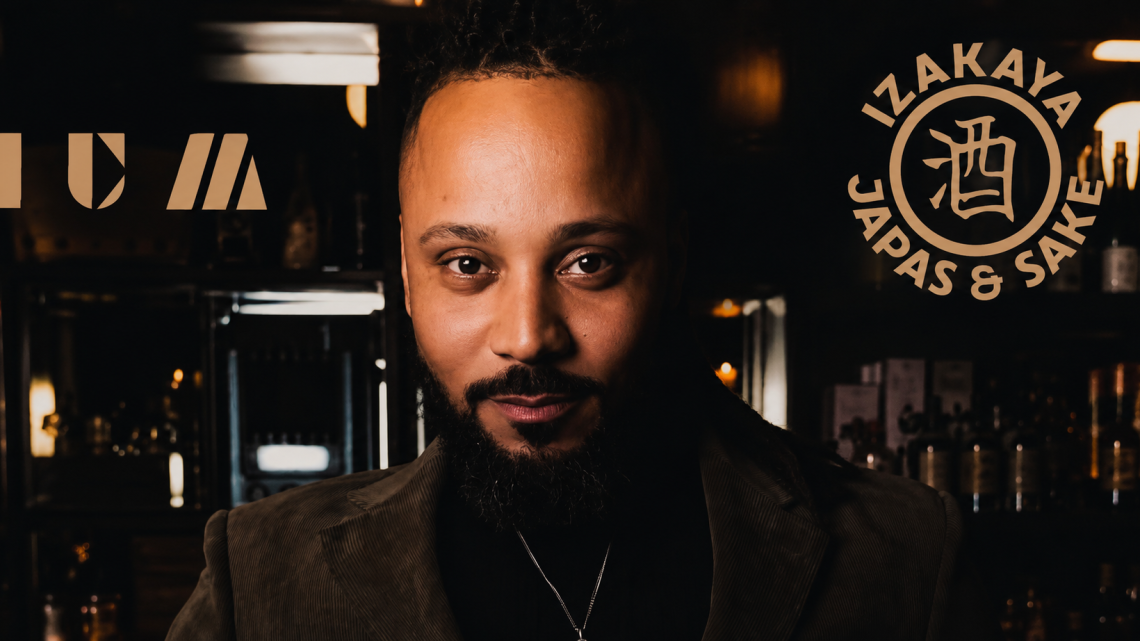
Jhony Herbert: Inside Izakaya — House Music & The Dublin Scene
September 5, 2026Interview Mike Moggi Mannix
From São Paulo to South Great George’s Street, Jhony Herbert found his place inside one of Dublin’s most distinctive dance music music venues — first as a kitchen porter, then behind the bar, and eventually as the manager whose personality became part of Izakaya itself.
Izakaya was always a strange and beautiful proposition. A Japanese restaurant in the heart of Dublin that, as the night moved on, could morph into one of the city’s most respected small spaces for house music, DJs and the people who genuinely lived for both. There was no grand theatre to it. DJs played close to the crowd. Staff danced behind the bar. Industry people came in on their nights off. Some nights were packed wall-to-wall, others had fifteen people on the floor — but the music still mattered.
At the centre of that atmosphere was Jhony Herbert, who arrived in Dublin from São Paulo, began working in the kitchen in 2019 and slowly found himself drawn downstairs after his shifts to watch the DJs. Six years later, he had become one of Izakaya’s most recognisable faces. Sitting down with Jhony for Iconic Underground, our conversation moves through hip hop, house music, his mother’s vinyl, Dublin nightlife, unforgettable late nights and why making people dance was never just about getting bodies moving.
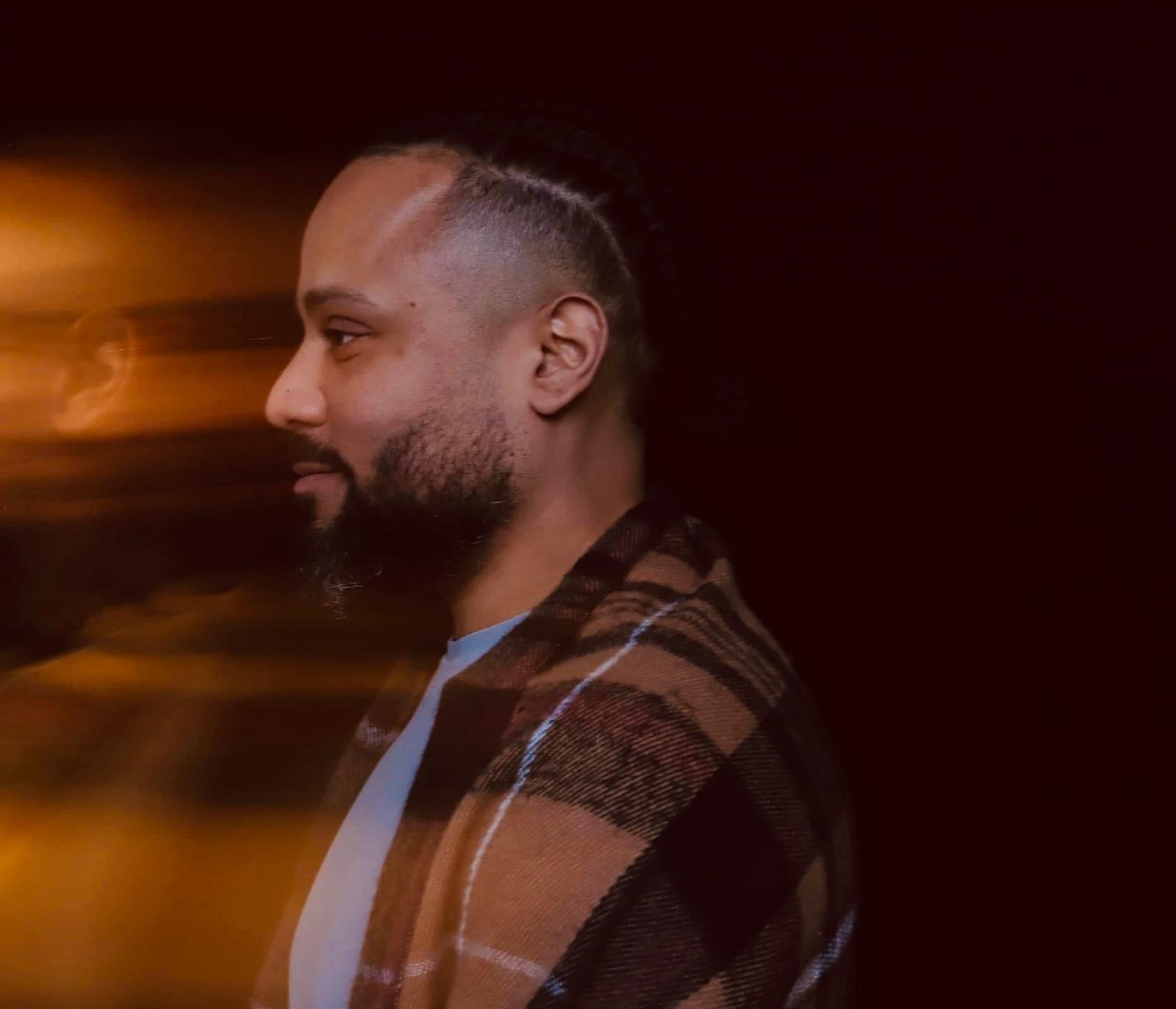
Jhony Herbert Izakaya
FROM SÃO PAULO TO THE BASEMENT
Mike Mannix: “From kitchen porter to running the late bar — it’s been pretty amazing. In six years, from starting out to becoming the bar manager at one of the best-known places in the city centre. Tell us what brought you here, what your influences were growing up and where you’re from exactly.”
Jhony Herbert: “Yeah, so I came from Brazil. And it’s really funny because I never thought I could work with music here.”
He smiles.
“I started working in the kitchen in 2019 as a kitchen porter. After work, after my shift, the basement was open. So I used to go to the basement to see the DJ, see the people, see what was happening downstairs.”
And that, almost accidentally, was the beginning.
“That’s really what I liked here. The energy, the music, the way people played downstairs — it was just fantastic. Every week I was there. I just started getting involved, talking about music, getting to know the DJs.”
Eventually management noticed the Brazilian guy who seemed to spend as much time absorbing what was happening downstairs as he did working upstairs.
“They invited me to work for the late bar because they probably saw my personality would fit. And yeah, basically, that’s it.”
I laugh at how casually he has just condensed six years.
Mike Mannix: “Jhony — whereabouts in Brazil?”
Jhony Herbert: “I’m from São Paulo.”
He originally came to Ireland for something much more straightforward: English.
“I came to learn English with two best friends. They left after six months. But when I got to Dublin, I just found myself. My place. I thought, this is the place I want to be.”
Then comes the kind of description of Dublin that somebody from São Paulo can probably get away with.
“This small town.”
We both laugh.
“But yeah, I feel at home. The friends that I made here, the people around me, I just felt like I could find a family here. That’s why I’ve been here for eight years.”
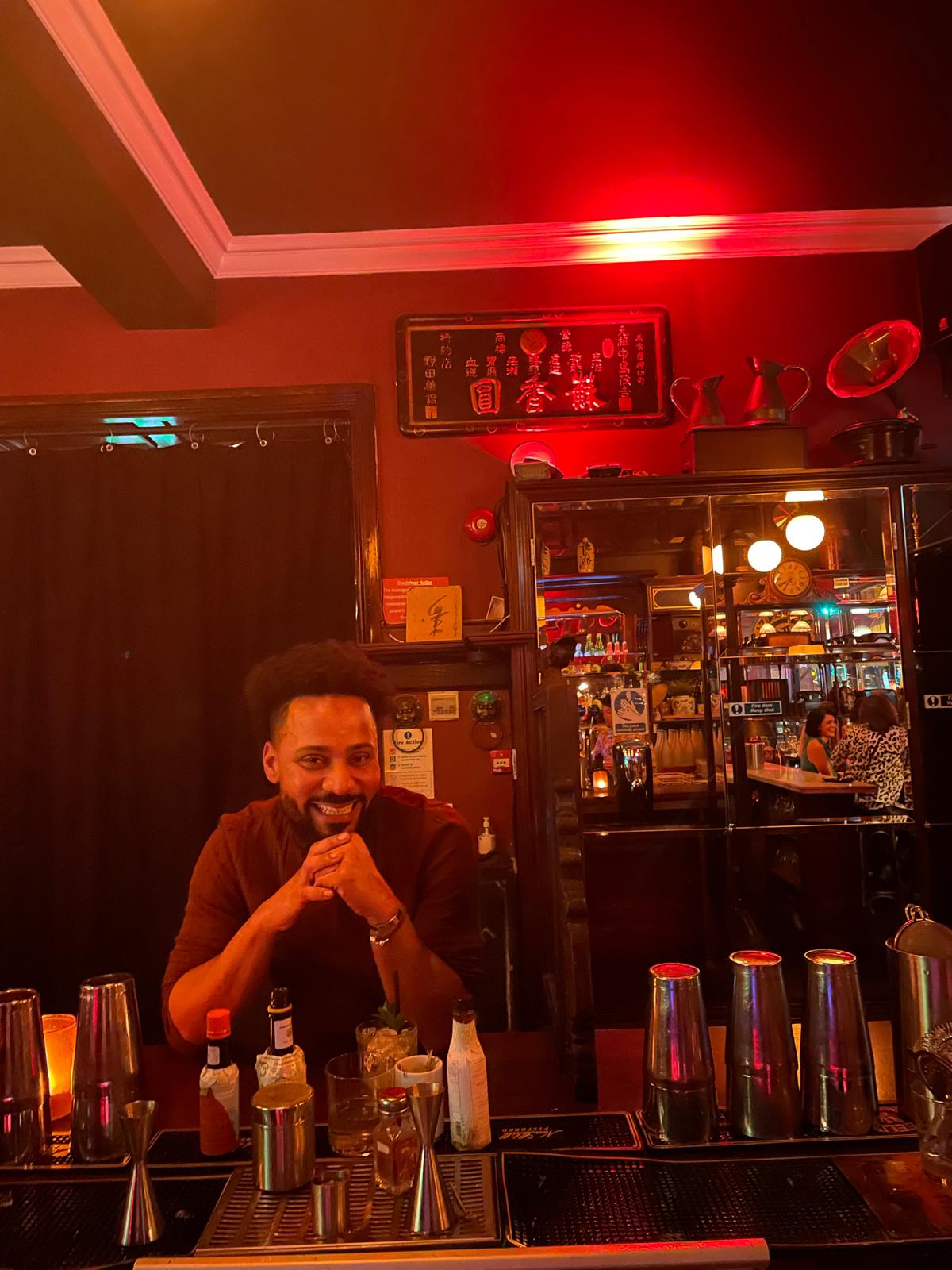
Jhony Herbert Izakaya
HIP HOP, HOUSE MUSIC AND HIS MOTHER’S VINYL
Jhony’s musical background isn’t necessarily what people might assume.
Jhony Herbert: “Being Brazilian is something I love and I’m very proud of. Sometimes people stereotype us and think Brazil is just about Carnival. In reality, like anywhere else, Brazilian music culture is incredibly diverse.”
His own musical foundations stretch through hip hop, ’80s music and the records he heard at home — with Samba Rock soundtracking family parties.
“I used to listen to a lot of music when I was a kid with my mum.”
Mike Mannix: “She was a big influence on you?”
Jhony Herbert: “Oh, definitely.”
His family was heavily influenced by Black music: Michael Jackson, Tina Turner and the major artists of the ’70s, ’80s and ’90s. As Jhony grew older, those childhood records began connecting with the hip hop and house music he discovered himself.
“Hip hop is funny because you can find the music inside the music. After my thirties I started listening and thinking, actually, I listened to this before. So I can see how all the music is connected.”
Then his voice softens.
“My mum cooking and playing vinyl from the ’70s, ’80s and ’90s. That’s a lovely memory, actually.”
It explains something fundamental about Jhony. Music was never detached from people. It was attached to rooms, family, memories and atmosphere — exactly the qualities he would later bring into Izakaya.
Mike Mannix: “When you were working in the kitchen and getting immersed in all this, was there part of you thinking, ‘I could do this job. I want to do this job’?”
Jhony shakes his head.
Jhony Herbert: “No. I think it just happened naturally.”
For him, Izakaya worked because it had something impossible to manufacture. Personality.
“When you open the door and you see the staff and you see the lights — the lights are not too loud, the music is loud — you just feel comfortable to be here.”
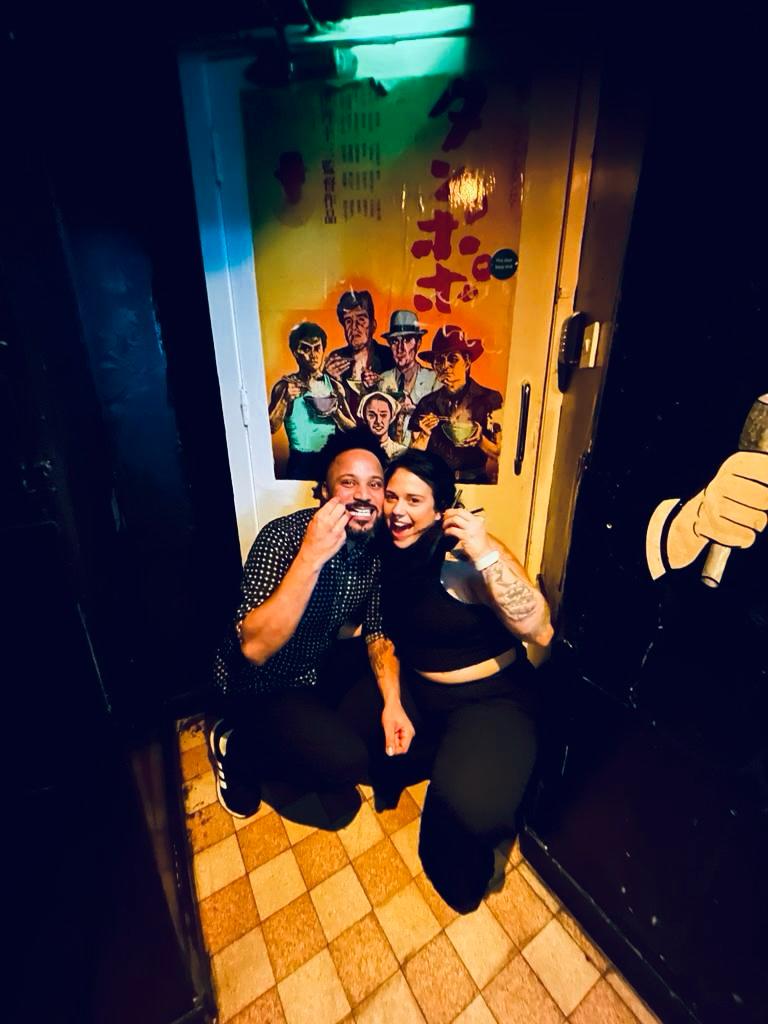
Jhony Herbert and friends at Izakaya
Right on cue, somebody walks past and our interview briefly dissolves into actual Izakaya.
“Thank you, baby. You’re good. Sorry.”
Another person appears.
“You’re good. Good to see you.”
Then:
“Happy birthday!”
I laugh. Sitting here with him, it’s perhaps the easiest way of understanding what Jhony means. We can barely get through a question without somebody stopping to say hello.
Mike Mannix: “Was there ever a point where you went, ‘Fuck this, this is my home now’? Because it obviously went beyond being a job. You’re passionate about this place.”
Jhony smiles.
Jhony Herbert: “I had this moment.”
What mattered were the people who treated Izakaya as something more than another stop on a night out.
“It’s the point for real people, for DJs that believe in music, for DJs that are creators. They want to be in a place that plays great music. But at the same time they can have a stage. They’re safe. They’re just people at home.”
He laughs, remembering constantly trying to reunite relaxed DJs with their belongings.
“Guys, where’s this phone? Guys, where’s the bags?”
Then he reduces the entire philosophy to something beautifully simple.
“It’s about the hug. It’s about the smile. And the people at the bar.”
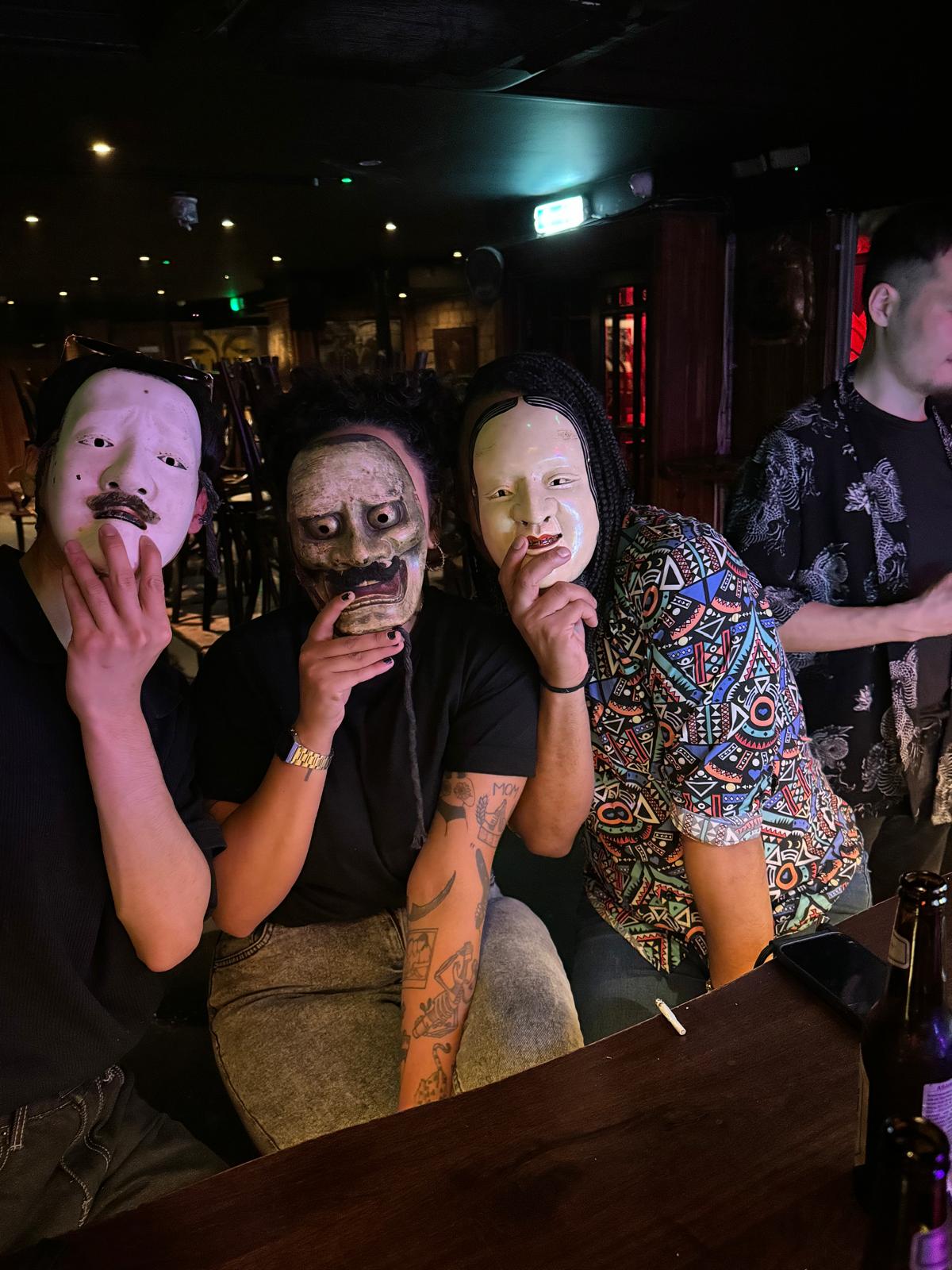
Jhony Herbert and friends at Izakaya
JHONY AND IZAKAYA
I’ve watched that relationship between Jhony and Izakaya develop myself before we (IUM) starting playing our magazine parties there. There’s always been something genuine about the way he inhabits the place. It never felt like somebody simply managing a bar.
Mike Mannix: “For me personally, I love the vibe you give off behind the bar. You being the guy that people meet. The way that you’re flamboyant and genuine — there’s nothing fake about it. I think that’s why so many people gravitated towards the place. You mirrored the ethos of it. When people speak to me, it’s like, ‘Jhony this , Jhony that.’ It became Jhony and Izakaya.”
Jhony Herbert: “That’s very kind, actually.”
Then he says something that sums up the difficulty of writing about the venue in the first place.
“You cannot explain Izakaya.”
Maybe not. But having spent plenty of nights here myself, I know exactly what he means.
Jhony Herbert: “We had the late bar, which was phenomenal. And all the spots we moved inside here — inside the bar, behind the kitchen, the basement — we did everything possible to keep making music and creating the atmosphere.”
The physical setup might have changed. The intention didn’t.
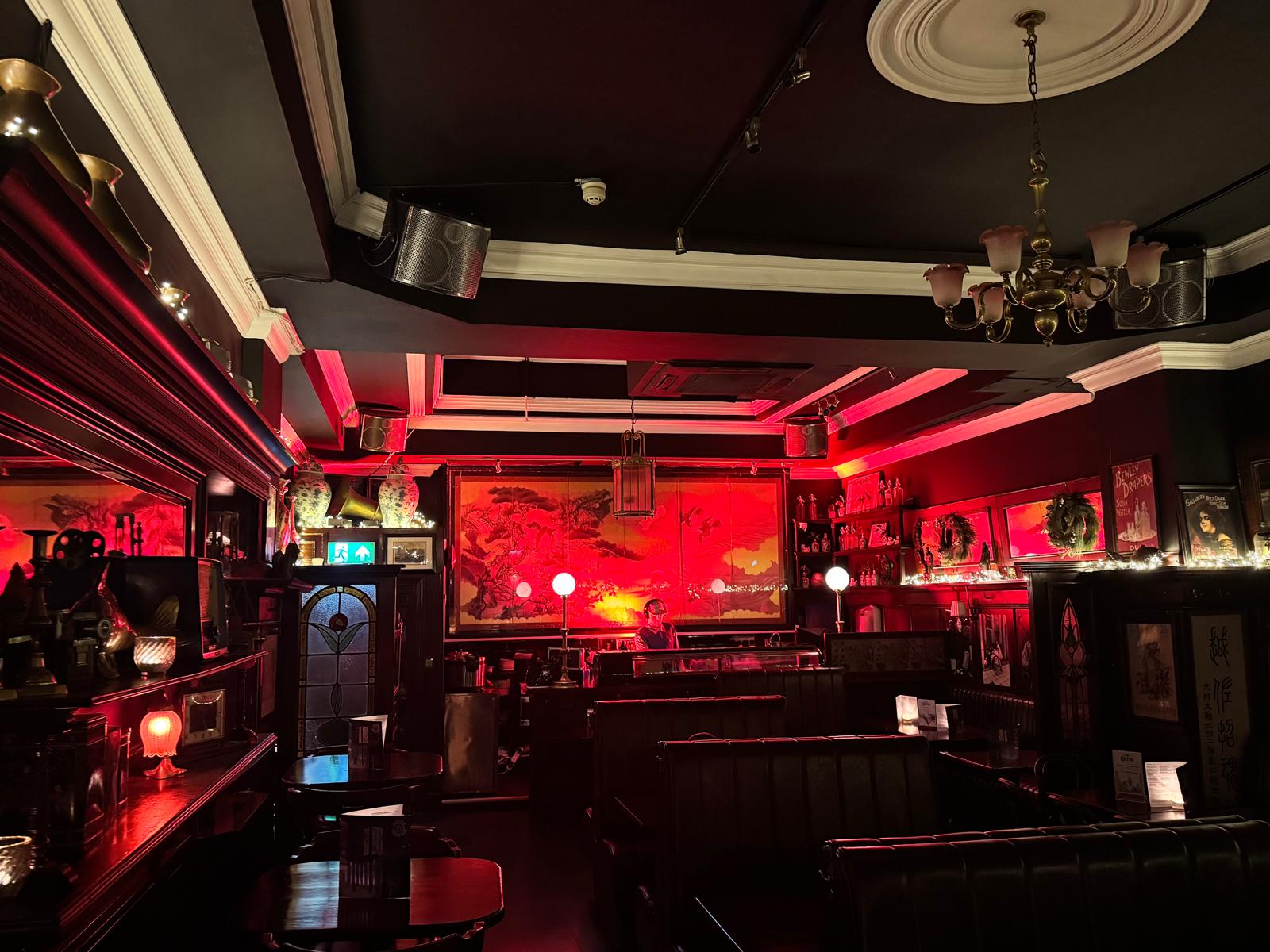
Jhony Herbert Izakaya
Mike Mannix: “From your side of the bar, what made that late-night atmosphere so special? How important were the DJs and the music in creating the identity?”
Jhony Herbert: “In the beginning I never understood why people were dying to play in Izakaya. But after years, after many nights, I realised all the DJs want to play in Izakaya because they can see it as a safe space and they want to share their music.”
It became almost a rite of passage within Dublin’s electronic music community.
Jhony Herbert: “I’m really grateful that I could work in a place where DJs and musicians respect the place. I can feel it. I can see how much people respect Izakaya.”
And importantly, that respect wasn’t measured by numbers.
“Even if we’re not that busy — because you have nights like that — my job, for me as Jhony, I need to go to the DJs and say, ‘If you have just five people, just play for them.’”
He pauses.
“I had incredible nights here with the full place. And I also had an amazing, memorable night when I had fifteen people on the floor. And it was the same energy. The same vibe.”
For me, that gets right to the heart of underground culture. The numbers were secondary. If the connection was there, the night was real.
Jhony Herbert: “If you had a memory, if you had a moment, you had it.”
I know exactly what he means.
Mike Mannix: “I’ve been here many times when there were only a couple of people. Of course I’m the fucking loudest — you hear me all over the place — but even with ten people there, we’d still have one of the best nights.”
Jhony laughs.
Jhony Herbert: “Many times.”
Jhony Herbert Izakaya
THE STAFF WERE PART OF THE PARTY
One thing I always loved about Izakaya was that the atmosphere didn’t stop at the dancefloor. I’d look across and see the staff dancing and moving behind the bar. They were part of it.
Mike Mannix: “The thing I absolutely loved was watching your staff dancing and moving behind the bar, always a wicked vibe, always friendly.”
Jhony lights up.
Jhony Herbert: “Oh, you have to.”
The energy worked both ways.
Jhony Herbert:“The DJ is making his best set because he wants to prove he’s great and he wants to play to his audience. The people are amazing. You have to smile and dance.”
And if somebody behind the bar wasn’t feeling it?
Jhony Herbert: “If you’re not happy, let’s have a shot.”
A pause.
Jhony Herbert: “Shots are important.”
“I GAVE MY ENERGY AND MY SPIRIT FOR THE NIGHT”
The mood changes when we begin talking about the end of Izakaya’s late-night chapter.
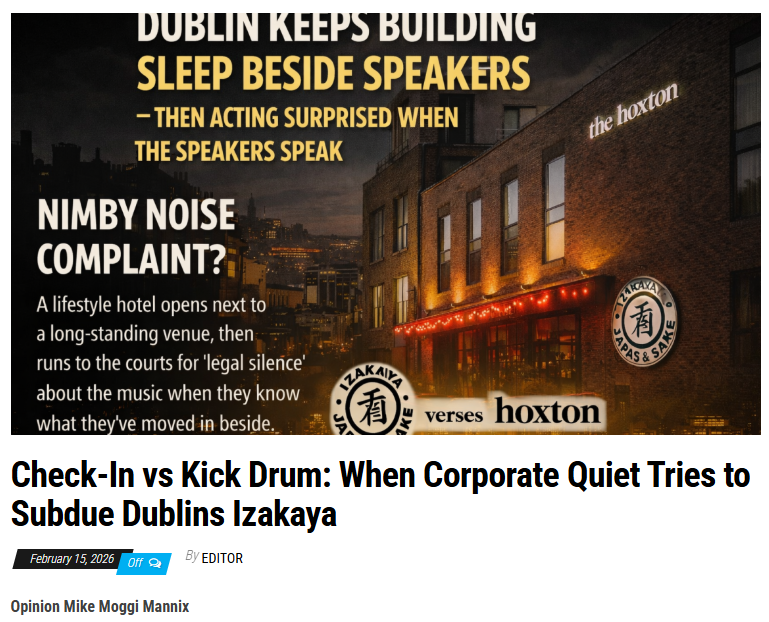
Mike Mannix: “After years of operating as a late-night bar, what’s it been like personally watching something that you helped build change?”
Jhony becomes noticeably quieter.
Jhony Herbert: “That’s been very sad for me, actually. I’ve been here doing everything and giving my energy and my spirit for the night.”
But he refuses to stay buried in nostalgia.
“Of course, I need to find myself. I have many ideas. But I think nothing is forever, right?”
At the time of our conversation, Jhony remained hopeful about Izakaya having another chapter.
“We need to wait for the new Izakaya. And I think it’s going to be amazing.”
He is careful not to speculate about business decisions outside his remit.
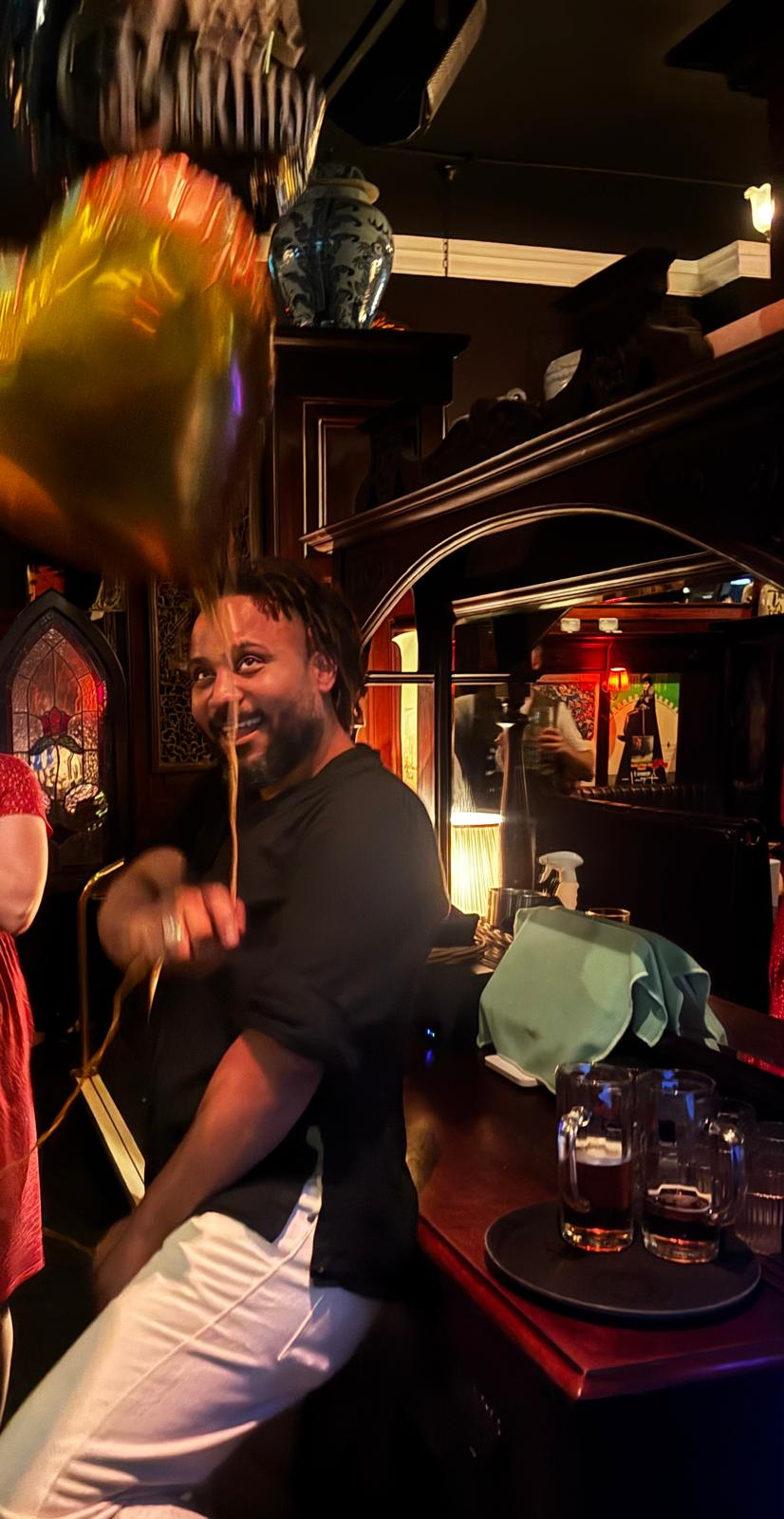
Jhony Herbert Izakaya
“I don’t really know about their agreement. It’s between them. So yeah, I don’t really know. I’m just doing my own thing. Working. New ideas.”
But he likes imagining that reopening.
“It’s going to be nice to have a place again. Like, ‘Oh, we reopened. Let’s make the scene again.’ Fresh and new.
Mike Mannix: “As soon as it’s announced, the queue will be around the fucking block.”
Jhony laughs.
“I think so.”
The public reaction to the changes around Izakaya revealed just how much affection existed for the venue, but talking to Jhony, it becomes clear that he saw something much bigger happening.
Mike Mannix: “What did you feel when you saw the response to the protests and all the people who came out in support of this venue and the people who work here?”
Jhony sits forward.
Jhony Herbert: “I think Izakaya was just a reason to be out. Of course because of what Izakaya represents.”
Then he stops.
“The protest was more than Izakaya.”
For him, it represented something much larger.
“The protest was about Dublin scene. Nightlife. Izakaya was there as the first thing, but there’s something more behind the wall.”
He remembers looking around at DJs, regulars and people connected to Dublin’s nightlife.
“It was beautiful. The protest for me was the most beautiful thing that I saw in Dublin.”
Then the smile disappears.
“I just think people are tired of taking the music from us that live with music and hospitality.”
This is where our conversation moves beyond one venue and into the bigger question hanging over Dublin nightlife.
Mike Mannix: “If you could speak directly to the people making decisions about Dublin nightlife, what would you tell them needs to happen to protect places like Izakaya and late-night culture?”
Jhony smiles.
Jhony Herbert: “That’s a lovely, very nice question. I was thinking about the other questions, but this one was the question.”
When he arrived eight years ago, before he worked in nightlife, he experienced Dublin simply as another young person walking around the city.
“Dublin was so alive. I’d see lots of young people, laughs, everybody having fun.”
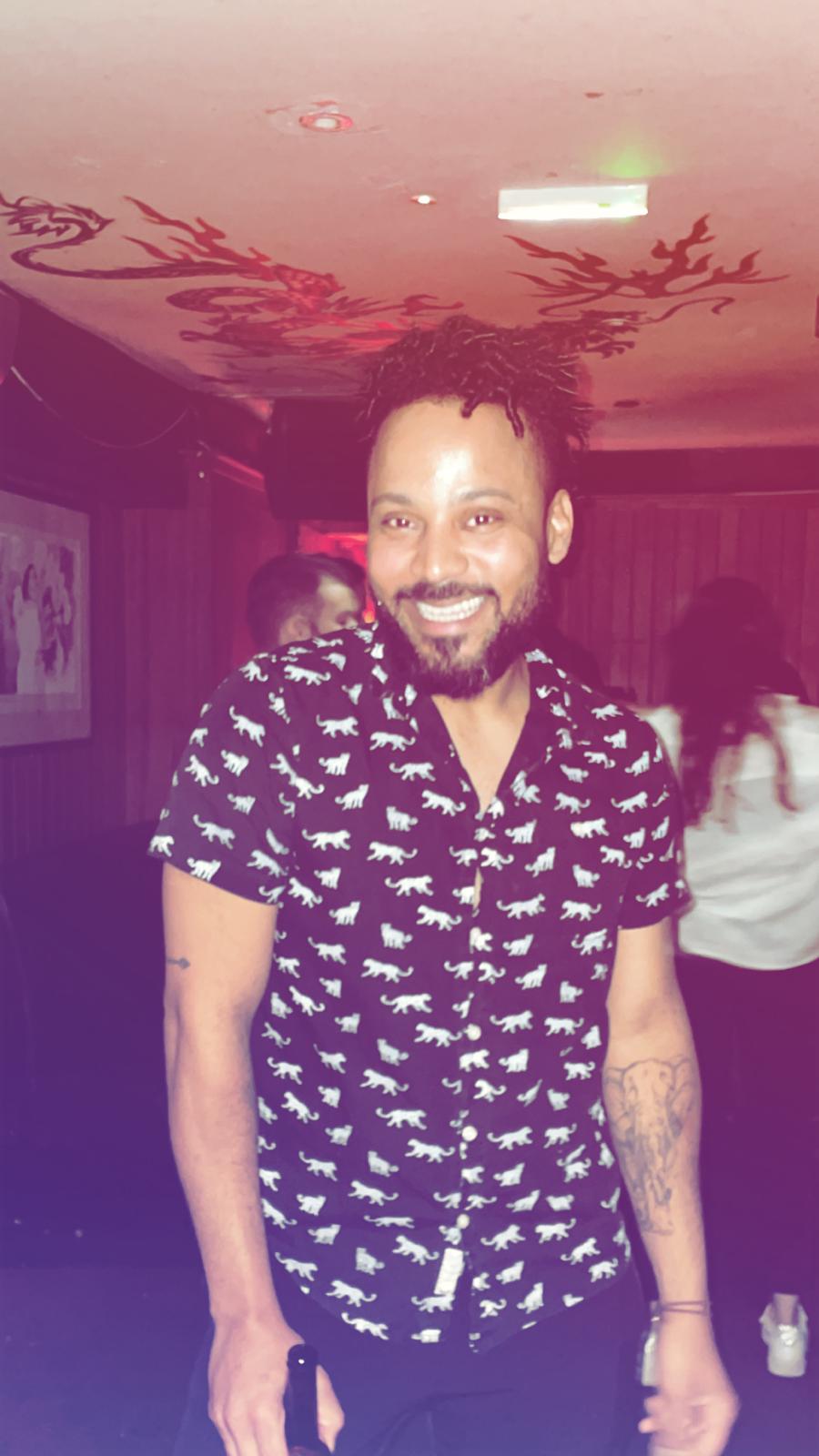
Jhony Herbert Izakaya
He believes something changed following COVID.
“After COVID, I think it was hard.’’
His frustration becomes obvious.
“The protest was important, but what is going to happen next? What are they going to take again? What is the next thing?”
He doesn’t want permanent confrontation. He wants people to be allowed to create.
“I just feel like we need to be ready to make fun again, not to fight, because if you’re not, you’re just going to have great buildings and nothing, no music”
Yet neither of us is talking about Dublin nightlife as though it’s dead.
“Good parties are happening, but you need to know when and how it’s happening.’’
There is still, he insists, “good craic happening around the city” — but people have become more guarded. “People are just afraid to be silenced.”
I change direction and ask him something much simpler.
Mike Mannix: “If you had a magic wand — one wish — what would you like?”
Jhony doesn’t need long.
Jhony Herbert: “People happy again.”
Then he adds the important part.
“Musically happy again.”
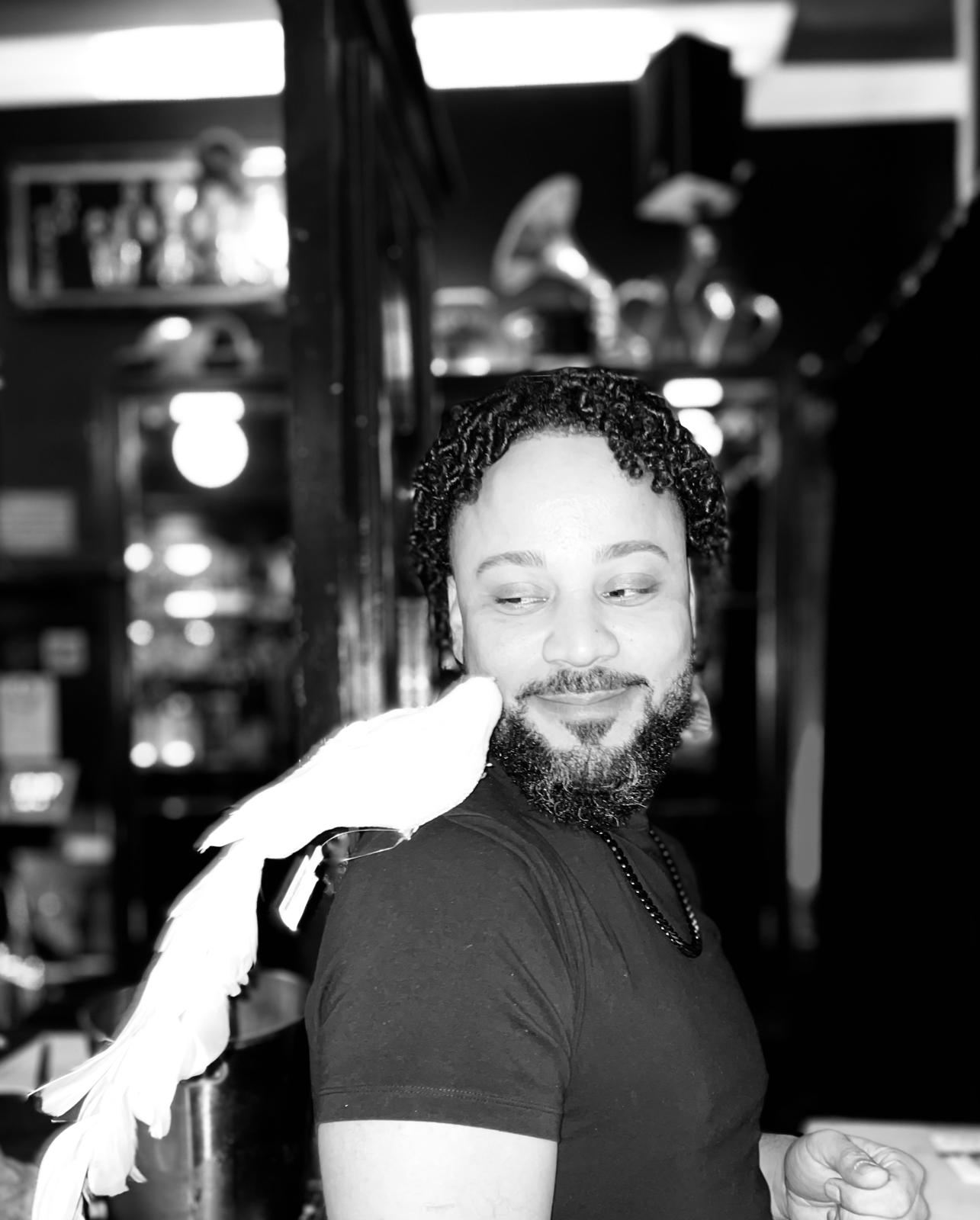
Jhony Herbert Izakaya
He looks around the room, and says probably the most emotive comment that sums up Izakaya…
“It’s pretty hard to make people dance. But it was easy to make them dance here, is not just about body movements. It’s about feeling.”
He remembers watching the floor.
“I have so many memories of people dancing and closing their eyes and dancing with soul. That’s the kind of dance I want to do.”
The words begin tumbling out.
“I want girls to feel sexy. I want gays to feel safe. I want three guys hugging everybody. I want to kiss everybody. We did it so many times.”
Then comes the line that seems to explain everything he has been trying to say.
“I just want people to be one person, you know? Together.”
As we keep talking, Jhony wants to make one thing absolutely clear about Izakaya.
“It’s a really local place. It’s a Dublin thing.”
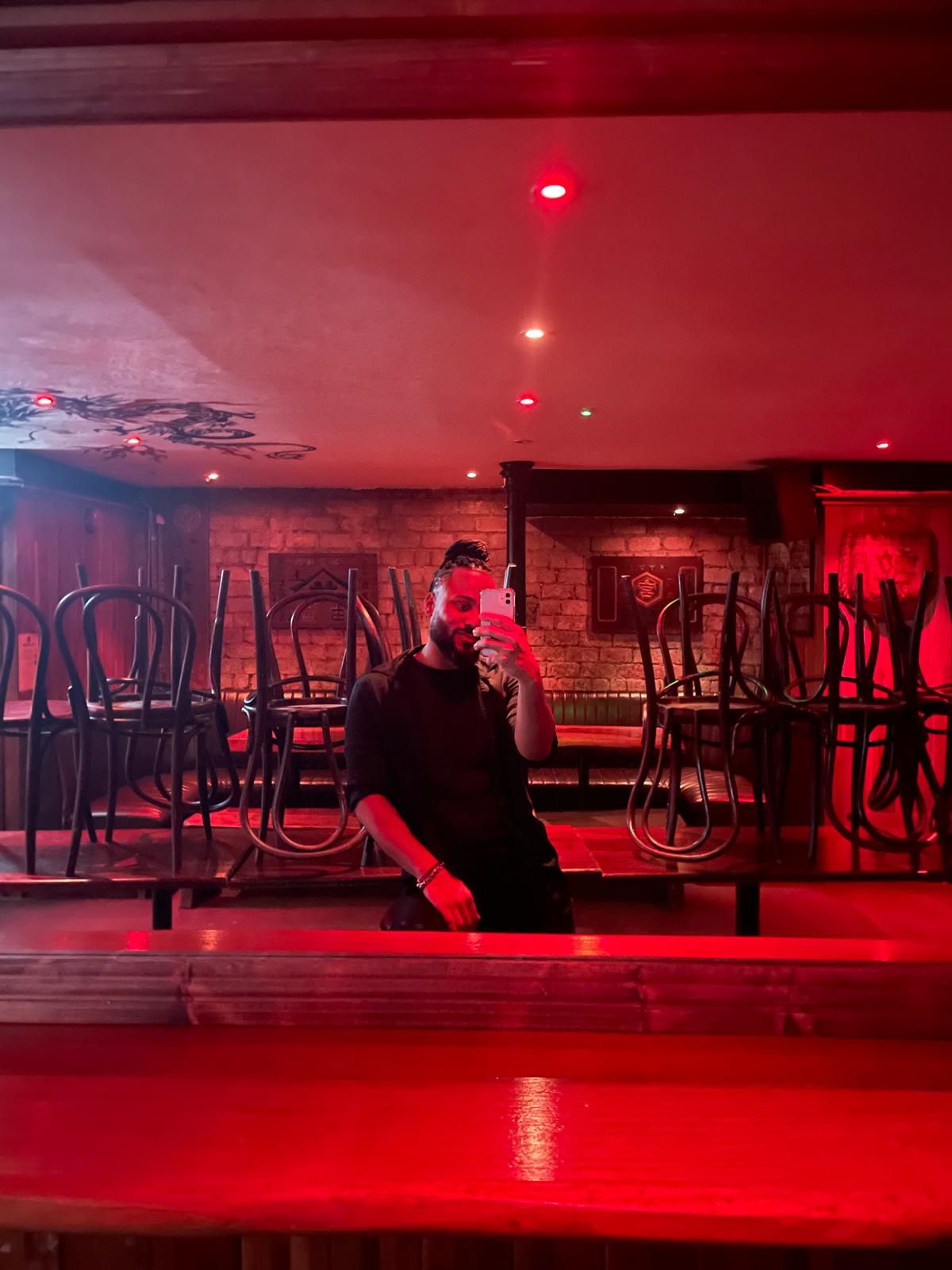
Jhony Herbert Izakaya
Tourists were welcome, but the identity couldn’t be compromised.
“The sound was the first thing.”
There was no instruction manual. You either understood the room or you didn’t.
“I like the way we always keep it original, even open for tourists. If you’re here, you’re meant to be here. If it’s not your thing, you’re going to stay for five minutes and then you leave.”
That was part of what I always loved about the place: the transformation from restaurant to house music room.
Mike Mannix: “I’ve come in here many times on my own. I’d sit at the bar just to immerse myself. I’ve brought friends from overseas in and they’d go, ‘It’s a fucking restaurant man.’’ Then I go ‘this is a deadly house music venue man just wait till later.’
Jhony bursts out laughing.
Jhony Herbert: “I fought so much for house music when I was there.”
Then, gradually, the transition would begin.
“You’re here for a beer, and then the late bar starts and it’s like, ‘Guys, let’s turn up.’ You never know what’s going to happen.”
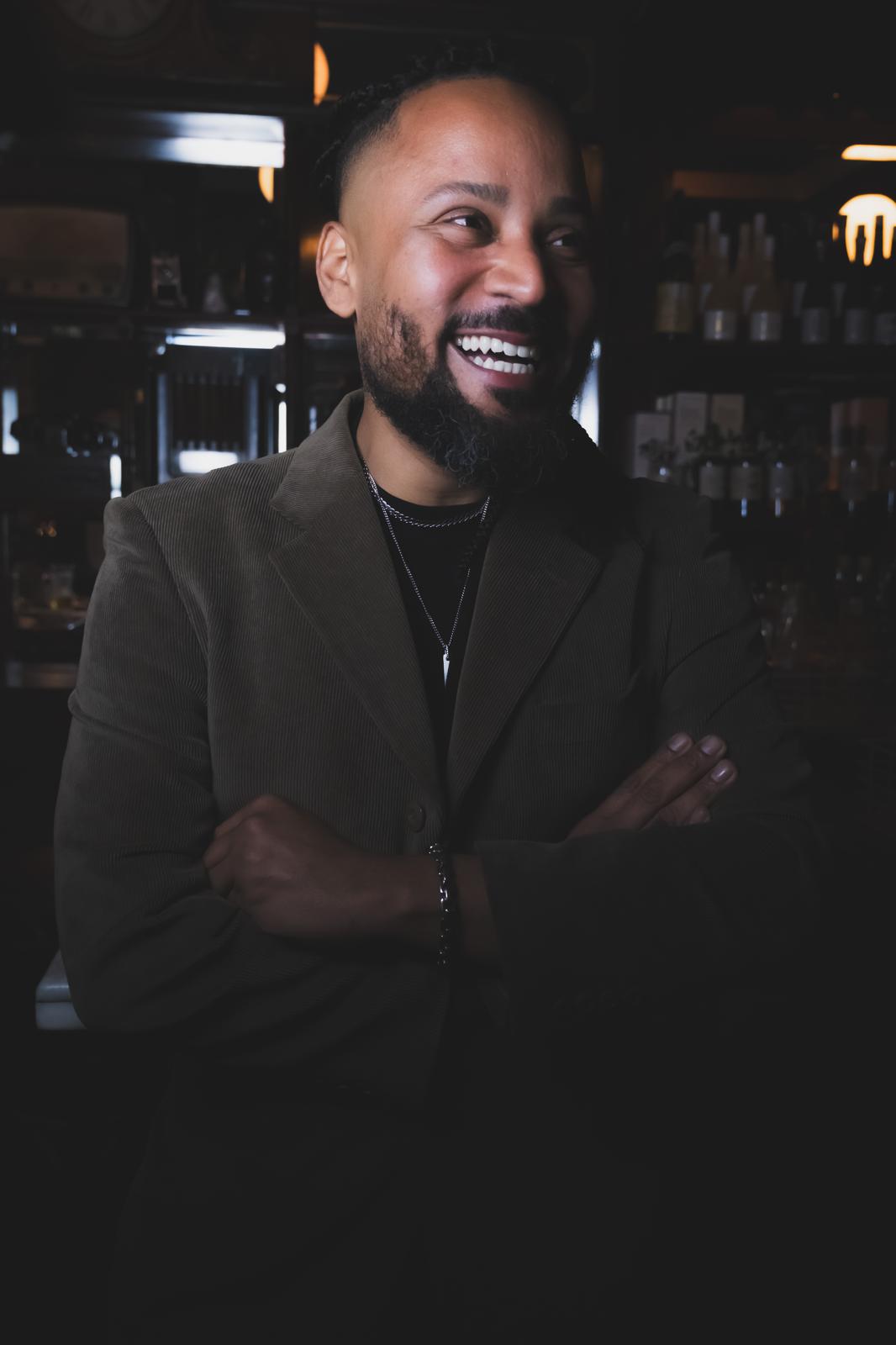
Jhony Herbert Izakaya
And that’s exactly what made it work.
Towards the end of our conversation, nostalgia inevitably takes over.
Mike Mannix: “I’m glad I’ve danced many many times over the years, and shared in some of its incredible and rich history. It’s important.”
Jhony nods.
Jhony Herbert: “In twenty years, when you search about Dublin music — scene, music life — Izakaya is going to be there.”
Then he says it plainly.
“Izakaya is not just a brand. It’s an institution.”
I immediately agree.
Mike Mannix: “It is 100%.”
Jhony remembers nights when he’d walk around the room and suddenly realise how many DJs were simply hanging out together.
“I had many moments here, walking around and seeing ten DJs a night having a drink. That means a lot. I have ten DJs in the house listening to other DJs.”
That’s an important distinction. Not performing. Not networking. Not standing in a VIP area. Listening. Sometimes Jhony didn’t even know who the recognised producer or DJ in front of him was.
“It doesn’t matter. You’re here to listen to music. You’re a DJ. You’re a producer. But here, you as a listener.”
For him, seeing respected people from the scene voluntarily spending their nights there was the ultimate review.
“When I saw some DJs that I know around having a drink with friends, I’d think: if this guy is here, we are doing a good job. If they are here, it’s like proof.”
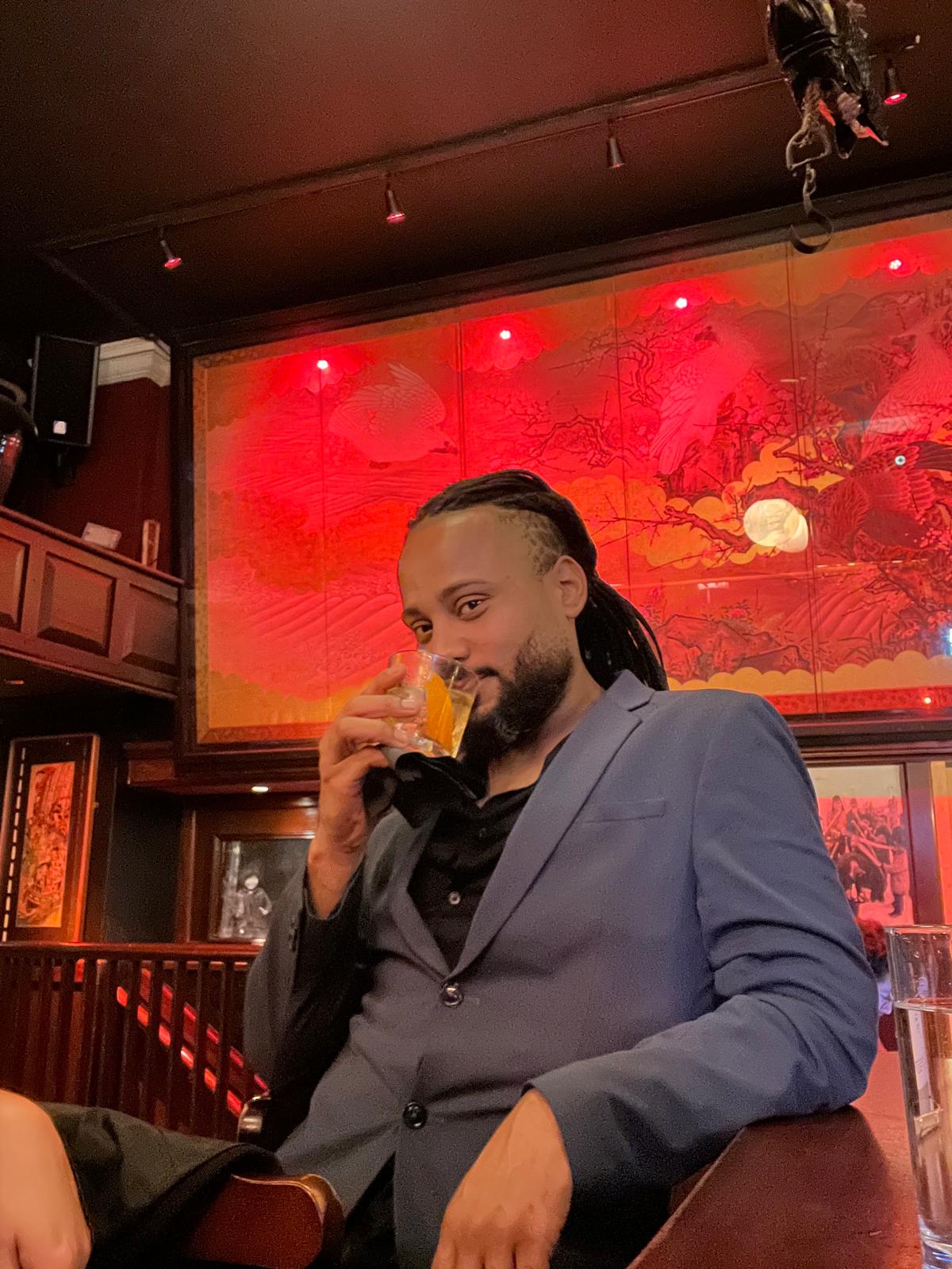
Jhony Herbert Izakaya
ONE PERSON, TOGETHER
As our interview comes to an end, we arrive almost exactly where Jhony’s story began. Music as something shared.
Not hierarchy. Not status. Not algorithms or numbers. Not whether there are five people on the dancefloor or five hundred. Whether the room feels real. Whether somebody behind the bar is dancing. Whether a DJ still gives everything to fifteen people. Whether somebody closes their eyes on a dancefloor and disappears into the music. Whether people who entered as strangers somehow leave feeling like they were part of the same thing.
Jhony pauses.
Jhony Herbert: “It’s about what we said before. About many people.”
Another pause.
“We are just one person, one body you know? Together.”
For me, Jhony’s presence became inseparable from what Izakaya represented — smiling, dancing behind the bar, hugging someone, welcoming a DJ or simply making people feel at home. His personality became woven into the fabric of a place that grew into something far bigger than another Dublin venue. Izakaya became a meeting point for DJs, promoters and dancers, a space where established selectors and emerging talent were given the same freedom to play, and an important part of the connective tissue of Dublin’s underground. Buildings change, dancefloors disappear and scenes move on, but the nights that genuinely mattered become part of a city’s musical memory. Izakaya earned that place in Dublin. And so has Jhony. The story isn’t over…