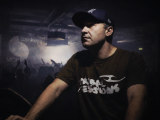

Wildfire Wiring: Leeroy Thornhill on Punk Roots, Rave Unity, Prodigy Overkill, and Doing It His Own Way Now
March 2, 2026Mike Moggi Mannix Editing Interview
There’s a certain kind of energy that only comes from people who danced their way into history rather than politely applying for it.
Leeroy Thornhill is that energy in human form: a street-dancer-turned-rave-icon, a DJ with a crate-raider’s obsession, and a guy who’s lived multiple musical lifetimes without ever fully swapping out the same core instinct—follow the raw stuff, the rebellious stuff, the stuff that makes a room move. Best known as a member of The Prodigy during their world-smashing rise (1990–2000), Leeroy was never just “the dancer”: he was part of the band’s live circuitry, a crucial piece of that chaotic silhouette people still picture when they hear the first snarl of “Firestarter.”
Now, the story keeps evolving. He’s been DJing, producing, releasing his own music, and—true to form—refusing to become a nostalgia act trapped inside someone else’s greatest-hits museum. Around the time he began reflecting publicly on his Prodigy years, what comes through isn’t remember when, it’s why it mattered—and what he’s still chasing today: crowd connection, musical identity, and enough freedom to drop a Foo Fighters bootleg in front of 45,000 metalheads if the moment calls for it.
The room, the tone, the first laugh
You can hear it immediately in the way Leeroy answers Mike—it’s warm, straight-up, no starched PR varnish. It’s not an interview that feels emailed-in; it feels like two heads catching up properly, swapping memories the way ravers swap stories at sunrise: half disbelief, half grin, all lived.
Mike Mannix: Hey, Leeroy, how are you?
Leeroy Thornhill: I’m good, thanks, Mike, hope you’re good too!
No grand entrance. No dramatic scene-setting. Just straight into the roots.
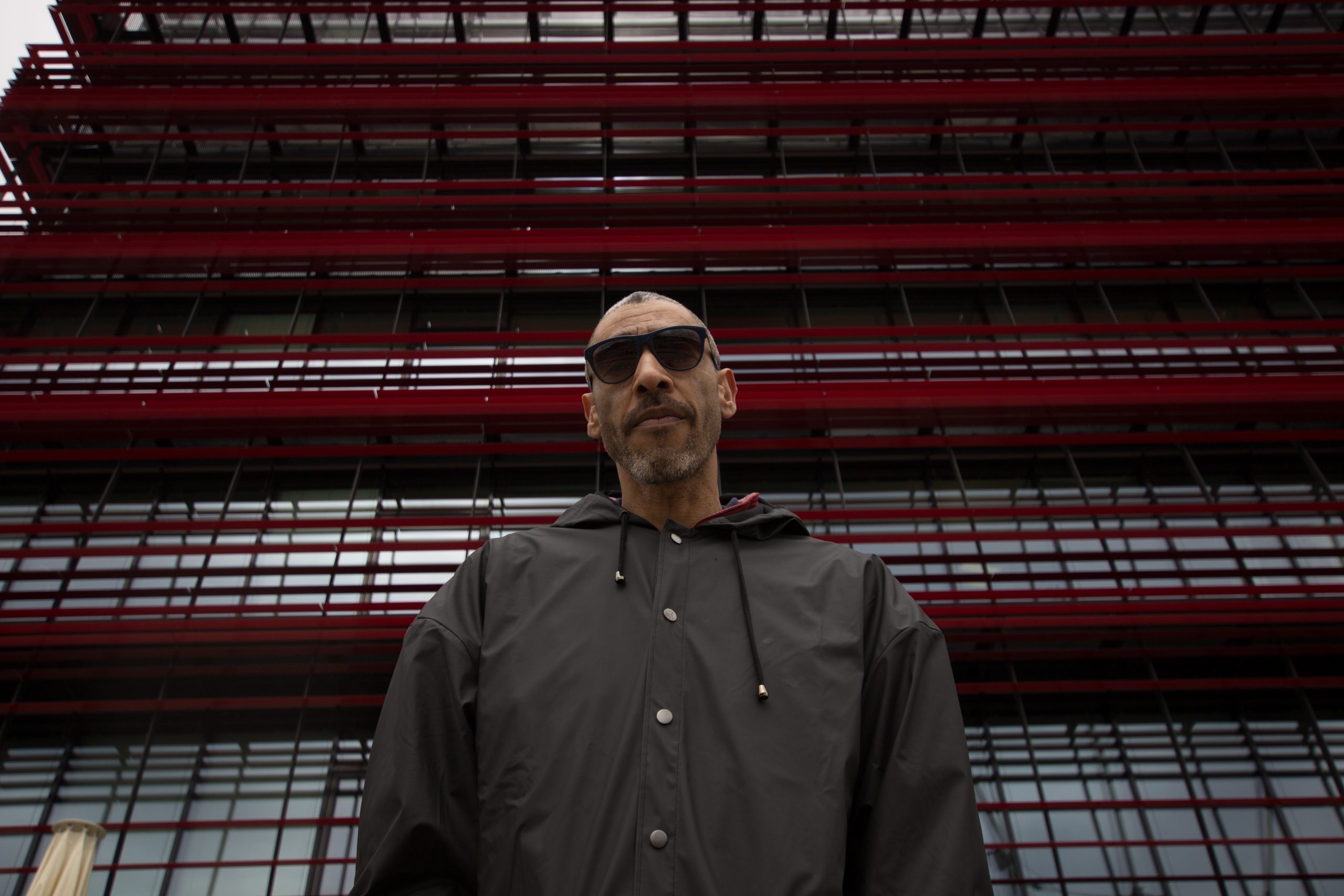
8-tracks, punk sisters, and the first taste of underground
Asked about the young Leeroy—his upbringing, influences, and what lit the fuse—he doesn’t reach for myth. He reaches for the living room.
Leeroy Thornhill: From a young age I was always into music… my old man had an 8-track player. The radio was always on in my house…
Music wasn’t an accessory. It was the atmosphere. Then the household soundtrack mutates the moment his sisters bring punk into the bloodstream.
Leeroy Thornhill: By the time I was 10 my sisters were into punk so I kind of got an influence from Lou Reed, Velvet Underground, The Slits, The Clash, Crass, Siouxsie and the Banshees… there was so much, man.
Punk, in his telling, isn’t just a genre—it’s a shock event. The first time you hear something that feels illegal in your own head. That sensation becomes a recurring theme: punk does it, electro does it, Public Enemy does it, early rave does it. The pattern is always the same: something new arrives, it doesn’t politely fit, and that’s exactly why he’s drawn to it.
Mike Mannix: The sounds always had a rebellious edge!
Leeroy Thornhill: Yeah—when some of the punk stuff came along,
it was quite shocking. I had never heard anything like it
… just like when electro came out—that just grabbed me…
And already, you can hear the Prodigy logic forming years before the band exists: seek the shock, bottle the energy, aim it at a dancefloor.
Northern soul at school age, rare groove in the bedroom, and learning to move
Then he drops a detail that feels almost unreal now—because it’s so early, so young, and yet so culturally decisive.
Leeroy Thornhill: By the time I got to senior school I was into all the northern soul. At eleven, twelve, thirteen… I used to go to these little house parties…
it was about dancing and expressing yourself even at that age
This is where the dancer identity stops being a footnote and becomes the spine. He’s not describing dance as performance. He’s describing it as survival, as release, as social glue. It’s also where his DJ instincts begin to creep in: the urge to control the temperature of a room.
Leeroy Thornhill: Then I started DJing a bit when I was at school… we were playing rare groove and funk and then hip-hop…
It’s a proper pre-internet education: you find the sounds by hunting them, taping them, trading them, turning up and listening hard. No algorithm. No suggested for you. Just taste and obsession.
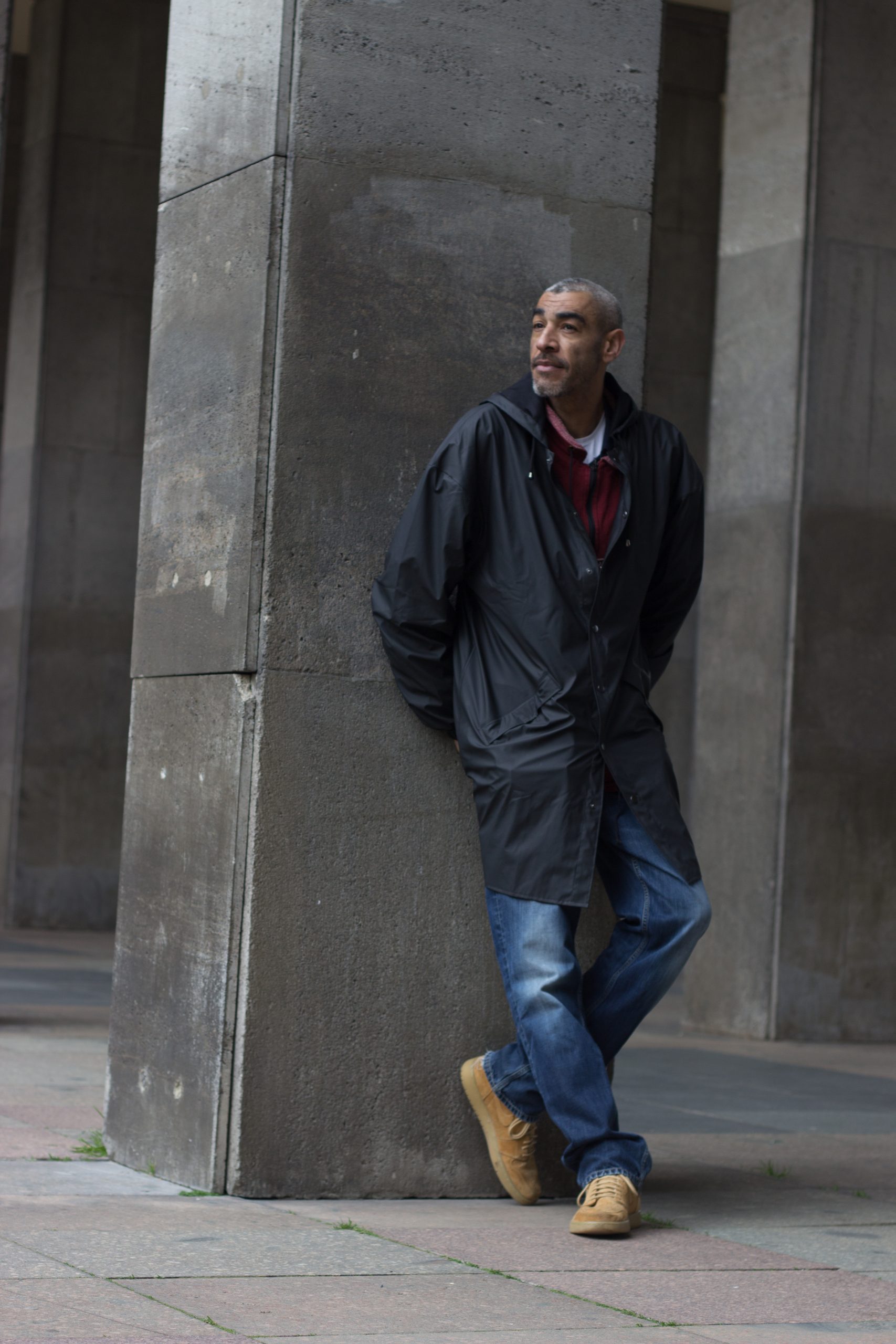
Leeroy Thornhill IUM Interview 2
Illegal churches, police on the doorstep, and hip-hop as prophecy
By 17, he’s already orbiting spaces that feel like early rehearsals for rave culture: unofficial parties, odd locations, the sense that the best nights are always half one step away from getting shut down.
Leeroy Thornhill: …by the time I was 17 we were going down to clubs in Southend and old churches where
people would put on parties inside… it was illegal. The police would turn up, and we would all get out of there.”
He remembers lineups that read like formative chapters in UK hip-hop history—Derek B, Rebel MC—alongside U.S. giants like Public Enemy and PMD coming through the speakers before rave properly kicked off.
Then the conversation turns from sound into message.
Leeroy Thornhill: Then later on… the likes of Public Enemy because of the raw message they put out… the rapping, the intelligence, the message… to this day they are still great!
Mike Mannix: A social narrative before the internet.
Leeroy Thornhill: Yeah, their messages were very, very clever—and still are.
That line—social narrative before the internet—lands hard, because it connects directly to what Prodigy would later do: music as a kind of blunt social electricity. Not a lecture. A charge.
He even draws a straight line from Public Enemy’s edge to The Prodigy’s most confrontational moments:
Leeroy Thornhill: …in some ways like
when we put out ‘Firestarter’ it had an edge…
1988: the tent in the field and the moment the country rewired
He’s working as an electrician in Trowbridge near Bath and Swindon—proper job, proper graft—while the rest of the country is about to stumble into something that will redraw British nightlife forever.
His first rave isn’t described as instant conversion. It’s confusion.
Leeroy Thornhill: All my mates had started going to raves… ‘come to this massive party—it’s in a tent in a field.’… everyone was marching on the spot to 4×4 bleeps… there was no rhythm and I wasn’t sure about this…
Then, the second trip: the moment that’s been retold in a thousand rave origin stories, but here it feels personal and unforced.
Leeroy Thornhill: You wanna
do an E, man?’… I did that for the first time… felt a bit rough… and then the next thing my feet were on fire—and that was it. I just danced all night
He doesn’t romanticise it as pure bliss; he describes the physical reality—then the switch flips. And once it flips, it’s not just his life that changes. It’s the whole social map.
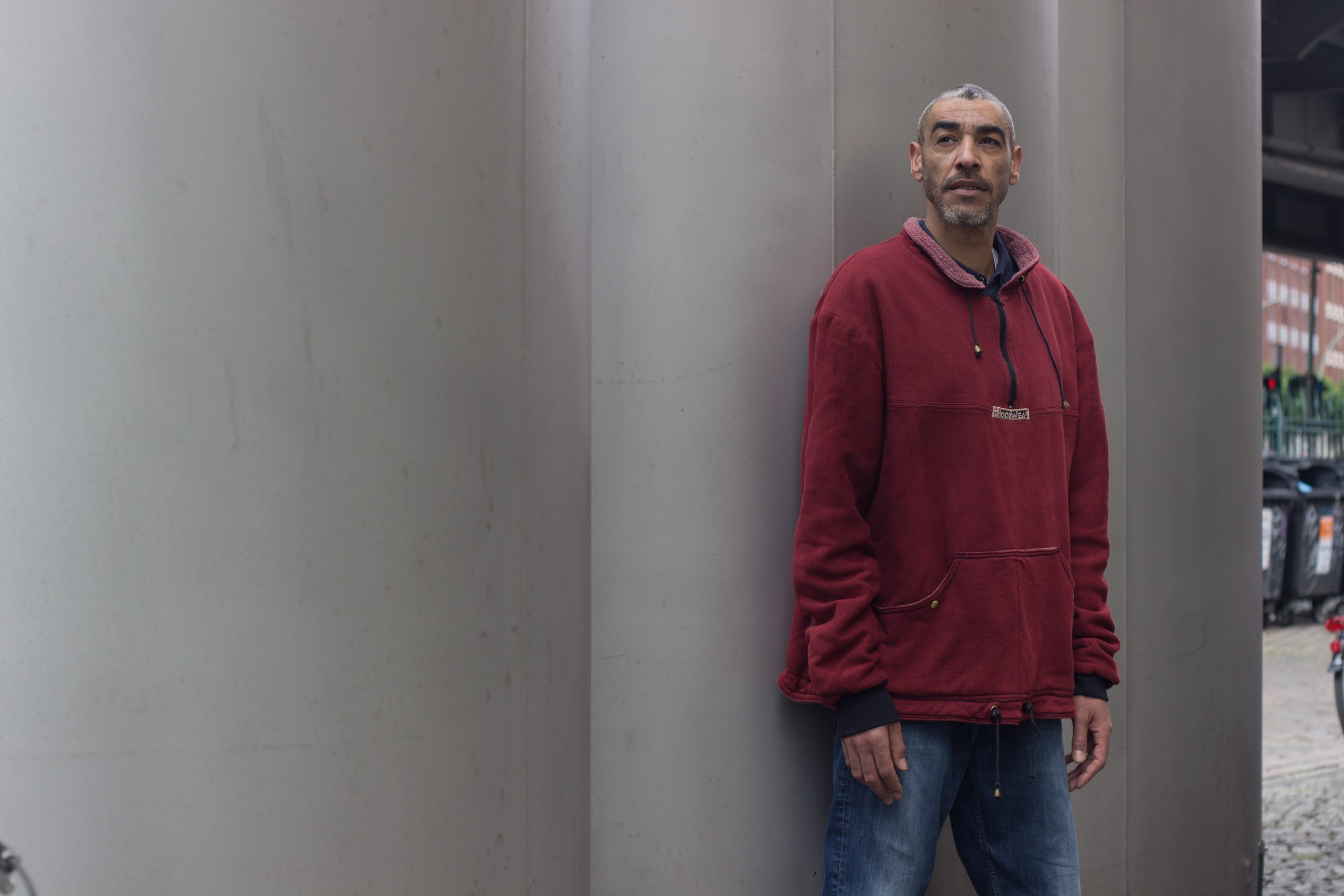
Leeroy Thornhill IUM Interview 3
Leeroy Thornhill: There was nothing like
the rave era when it started… it took over the whole country… Punks started appearing and changing their look into the rave look… all the fighting in the locals stopped… like a unification for loads of different types and groups of people.
Mike Mannix: And football violence almost came to a complete standstill for two years…
Leeroy Thornhill: Yeah… it was the point where people could take their kids to football…”
That’s the rave story at its most powerful: not just music, but social behaviour changing in real time.
Meeting Keith, chasing nights, and stumbling into Liam’s genius
Soon, Leeroy is running with Keith Flint—missions for parties, chasing DJs, living for weekends the way only that era could teach you.
Leeroy Thornhill: I was just interested in
going out all the time and hooking up with Keith. We went on missions finding cool parties and stuff… following certain DJs… N-Joi and Mickey Finn… we used to be at the Astoria every week when it was rocking…
Then comes the after-party where they hear Liam Howlett DJing. Keith asks for a tape. The tape Liam hands over is basically a blueprint of what’s coming.
Leeroy Thornhill: The one he gave us had all of his music on it… when we listened to it—it blew us away!
And that’s it: the casual spark that turns into a decade of global chaos.
Leeroy Thornhill: We all decided to put something together… being around at the right time, and having a genius writing music… we just wanted to get up on the stages of the parties we went to really—we had no idea it was gonna kick off as it did!
300 quid? I’ve never even heard of ya”—and then the room explodes
Leeroy Thornhill: …we did one or two gigs on Holloway Road… Rocket Club… this guy who did parties in Milton Keynes…
He asked how much we were, and I think Keith went ‘300 quid’ and he went ‘300 quid? I have never even heard of ya’…
Then the punchline arrives in real time:
Leeroy Thornhill: …and then as the words came out of his mouth… ‘Everybody in the Place’ came on and the whole venue went wild!! Keith went ‘That’s us’—and it all kicked off there!
They never felt separate from the audience.
Leeroy Thornhill: We never thought of ourselves any different to the audience even though we were up on the stage… we related to people quite easily…
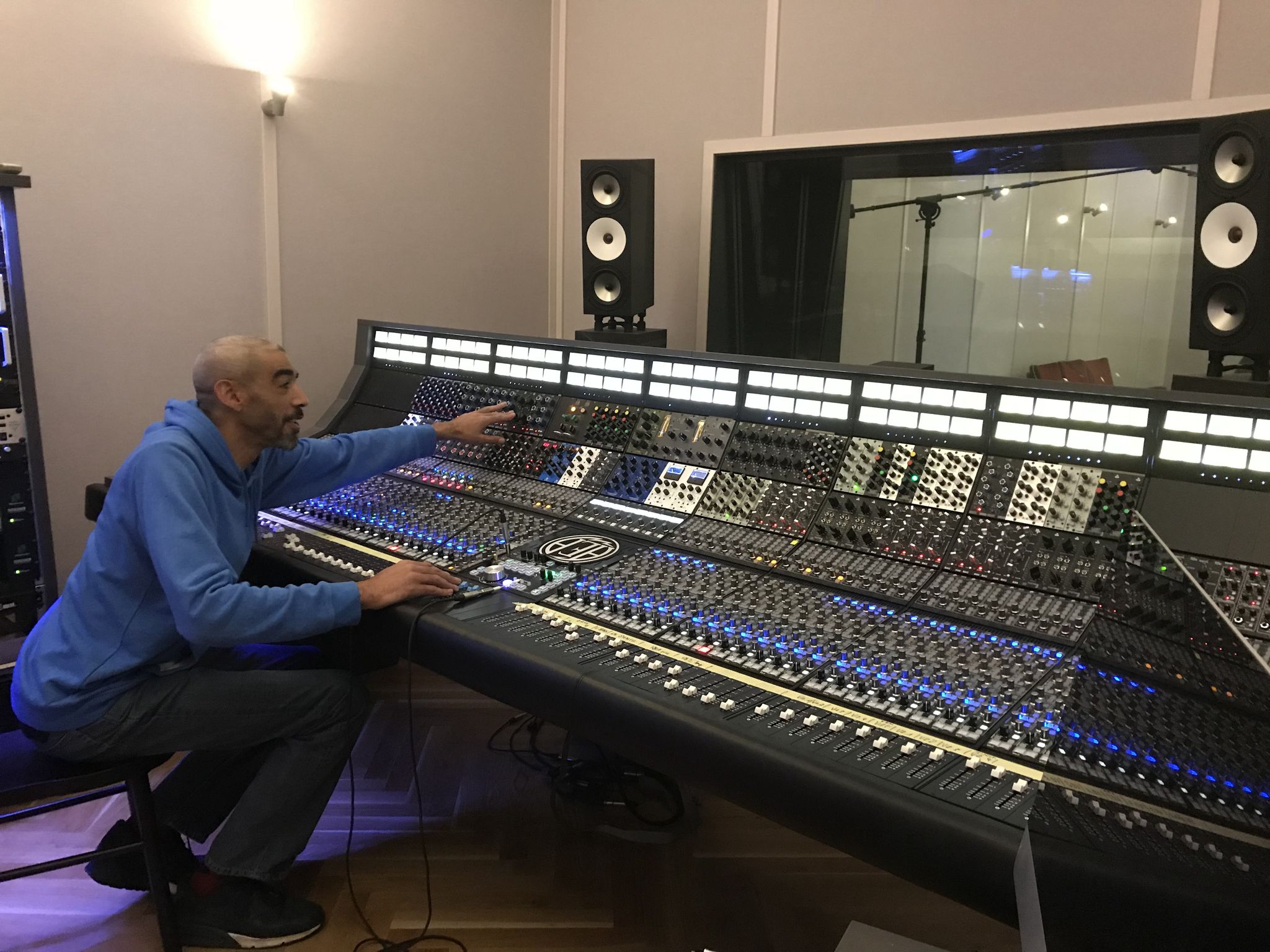
Leeroy Thornhill IUM Interview Studio
When rave mutated: jungle shadows, coke creep, and the band’s leap into another world
Leeroy Thornhill: I reckon by 94/95 the rave thing started to die… once it all went jungle… you just got drum’n’bass and darkside stuff… what went from hands in the air love moment went darksided and heavy.
Then the shift in culture:
Leeroy Thornhill: That’s when coke and all the bullshit started coming into it…
it went from being this friendly thing, so we jumped out…
So The Prodigy pivot—not as abandonment, but as evolution. Festivals. Main stages. Touring alongside bands. Sharing bills with Wu-Tang. Going to Holland. It becomes a whole different world.
And for Leeroy personally:
Leeroy Thornhill: Techno has the raw energy and is unbeatable… playing techno and trance was the best drug music that was out there!
Sweden: leather jackets, tent walls lifted, and finding where they really belonged
Leeroy Thornhill: …we went to this festival in Sweden… there was the indie tent, the metal tent, and the dance tent. But it turned out we were on the main stage… around 5,000 black leather-jacketed rockers and we were like, ‘Ahhh mate!
They watch Helmet, then Biohazard—then the crowd surges.
Leeroy Thornhill: We rocked… and I will never forget that… from that day that’s where we were more comfortable… people who were up for all sorts of music…
By 98/99, though, it’s relentless.
Leeroy Thornhill: It became overkill… we can’t keep going on doing 21 gigs in 23 days.
You just wake up—you don’t know where you are… we circled the world three times!
For him, stepping away was self-preservation.
Leeroy Thornhill: For me, it was the right time to get out.
Rock heart, guitar hands, and touring in the orbit of legends
Leeroy Thornhill: I am naturally a rocker at heart.
He reminds Mike how deep into rock culture The Prodigy already were:
Leeroy Thornhill: We were with those sorts of people every week—from Radiohead to supporting David Bowie and hanging out with Rage Against the Machine and Nirvana.
When Foo Fighters did their first ever gig in England, they supported us… then Chemical Brothers supported us.
And the backstage moment:
Leeroy Thornhill: They said, ‘What are you doing here—are you doing light sound or what?’ Keith was like, ‘Nah, we’re gigging—we’re on after you.’
Leeroy Thornhill IUM Interview 4
Ibiza crates, Miami record-shop intelligence, and the pre-internet flex
Leeroy Thornhill: I started messing around buying tracks from this record shop in Miami… the guy knew the sort of music I liked… and again, this was before the internet.
In Ibiza:
Leeroy Thornhill: I would play stuff from my box of records and no one would have heard any of it.
He wasn’t just playing music—he was introducing it.
DJ Hyper, live shows, and the return that wasn’t fresh
Leeroy Thornhill: I remember talking to
Liam… ‘Do you fancy coming back and doing some gigs?’… I was like… okay. ‘I have 8 shows left—I will come and do Brixton and I will see how it goes.’
Then the emotional truth:
Leeroy Thornhill: It was… crazy adrenaline, but at that time it just wasn’t the same… it wasn’t fresh for me.
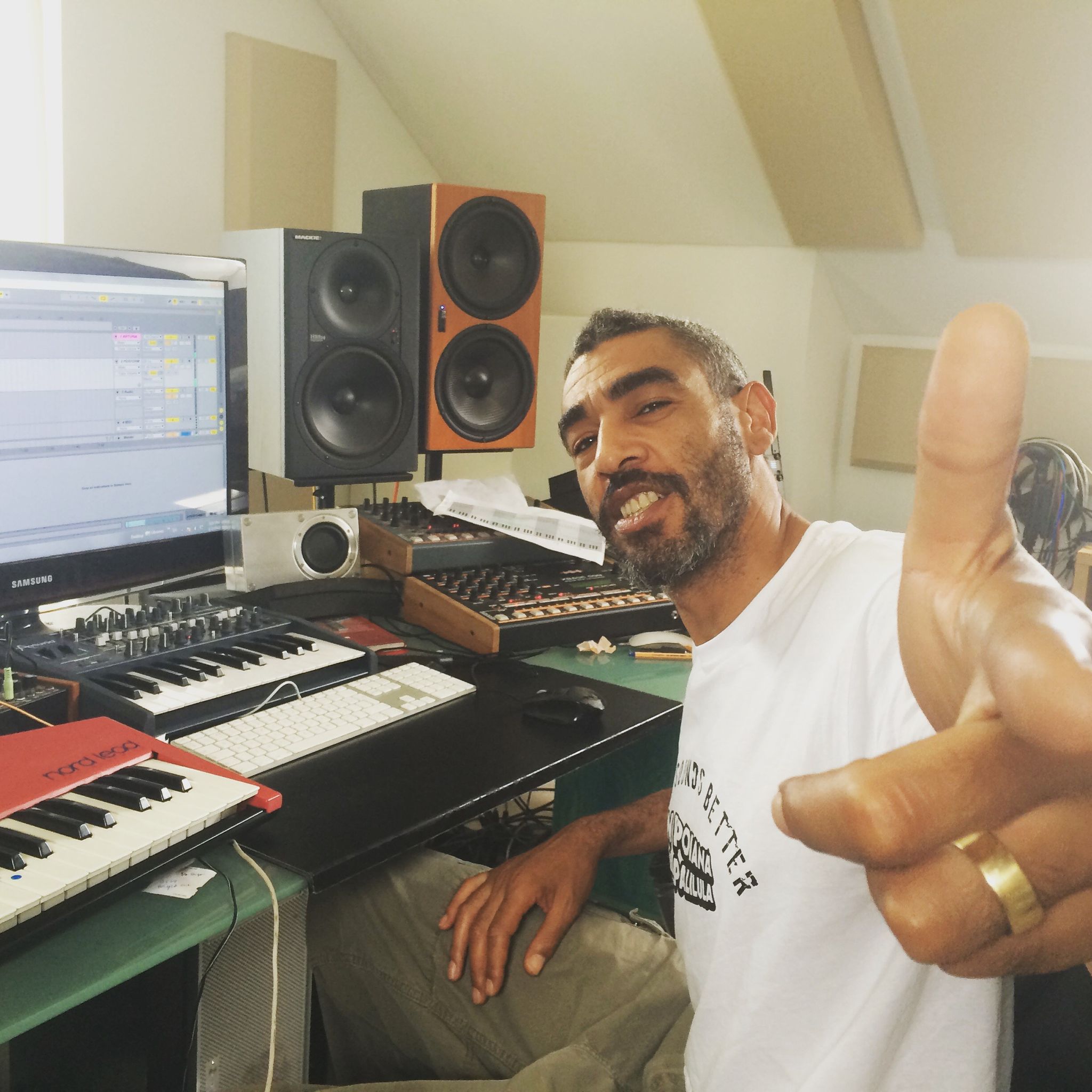
Leeroy Thornhill IUM Interview Studio
2010–2016: rebuilding the engine
Leeroy Thornhill: It was pretty cool… but there wasn’t enough… commitment or direction…
I just got back into focusing on myself.
Then the turning point:
Leeroy Thornhill: I would say from 2016… that’s when I felt the music I produced started to click for me… anything I have done from then I really like…
Vietnam, Get Hype, and the Bandcamp rebellion
Leeroy Thornhill: I remember when I was in Vietnam doing the Episode festival and everyone was singing along and it just worked for me.
He leans into independence:
Leeroy Thornhill: I decided it’s where I am putting out my music right now because I don’t want to deal with record labels. I just want to write music…
On streaming:
Leeroy Thornhill: It is all this corporate stuff you have to battle against…
To all those people who don’t get why my music is on Bandcamp… and don’t appreciate that it is 6 months taken away from my life then don’t buy it.
Mike Mannix: People can pay you more than your asking price…
Leeroy Thornhill: Literally—40% of people pay more.
Leeroy Thornhill IUM Interview 5
The 45-minute concept and mixing worlds
Leeroy Thornhill: I have recently dug out this concept I had 15 years ago… There are 20 tracks on there, and it’s only like 45 minutes long. Really happy with it—mixed it myself.
Mike Mannix: Oh yeah, wicked, thanks, mate!
Leeroy Thornhill: It goes from reggae to hip-hop to disco and electro… it was quite a challenge to mix it and bring it all together.
Kazakhstan to Moscow: reading the crowd
Leeroy Thornhill: My mate, Uri… ‘we need someone to open this main stage’… got to Moscow… then… there it is—a football stadium and 45,000 people for a heavy metal concert.
He adapts.
Leeroy Thornhill: …the line-up was all heavy metal, and
I was dropping prog tracks and bootlegs of the Foo Fighters and everyone loved it.
On DJs blaming crowds:
Leeroy Thornhill: Some DJs are like, ‘the crowd didn’t understand my music’—and I’m like, well that’s not the point… your job is to read the crowd.
On image without substance:
Leeroy Thornhill: Some of these putting masks on… dude, you’re a DJ… if you wanna be a live act and performer then do it with your own music… It makes me so angry; they think they’re big through playing other people’s music…
Mike Mannix: My sentiments exactly.
Leeroy Thornhill: I have respect for anyone… whether you want to put a mask on or sing pop songs—but respect other people in the process.
And finally:
Leeroy Thornhill: The last few years have been good for me because
I have just left it all behind and I do what I wanna do now.
Berlin, home, and what’s next
Leeroy Thornhill: Originally, I moved to Stuttgart… there isn’t enough going on… moved to Berlin… been here a couple of years… great experience, but I wanna get back to England now and sort out a home.
He wants to mentor.
Leeroy Thornhill: I would like to get on to doing a few online classes with people and help them get started in their music… I don’t wanna be DJing every week—I’m 51 now…
Mike Mannix: Because of your career… you can bring so much into the now, and create something different around Leeroy… whatever you can think about you can bring about!
Leeroy Thornhill: I am very confident about what I am doing now because I can do whatever genre… I know my sound…
If there’s one thread that runs through all of it, it’s freedom. From punk shock to rave unity, from Prodigy chaos to Bandcamp independence, from leather-jacket festivals to metal stadium curveballs—Leeroy Thornhill has always chased the moment where music stops being background noise and becomes connection. And the dancefloor, as ever, doesn’t lie.