Silence Between Sirens: Inside Runcinate’s Live-Wired Techno Laboratory
February 15, 2026Interview Mike Moggi Mannix
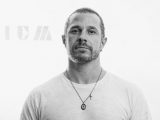
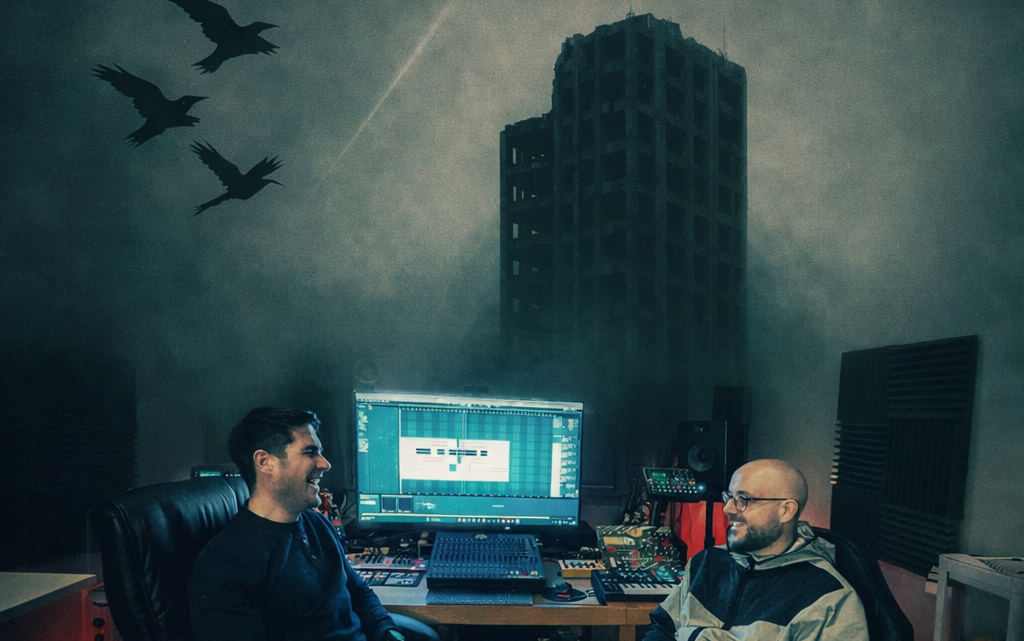
Two pints of perspective, a studio full of blinking boxes, and a shared obsession with that ‘warehouse-at-3am’ feeling — Burkey [David Burke] and Neil McKeever don’t so much make techno as wrestle it into shape… to Runcinate in real time, with the kind of chemistry you only get when you’ve spent years finishing each other’s sentences and slagging each other’s basslines.
When we sit down for Iconic Underground Magazine, what hits first isn’t the gear-talk (though there’s plenty of it) — it’s the way they describe ‘energy’. Not ‘hype;, not “content”, not “brand”… energy. They’re the type of heads who still talk about old Dublin nights like they happened last weekend, and European festivals like they were pilgrimages — because for them, they were.
Runcinate’s story is a proper slow-burn evolution: teenage rave DNA, years of trial-and-error jams, a first incarnation under a different name, then life happening (kids, time, distance, the whole reality check), and finally the return — heavier, sharper, and more intentional. The result is a project that lives in the 140 BPM neighbourhood and doesn’t apologise for it. Their EP Silence Between Sirens isn’t “made for the algorithm”; it’s made for the moment when the room goes feral in the best way. And the best part? Their process isn’t built around perfection — it’s built around capturing something: the accidents, the split-second decisions, the “wait, do that again!” moments. As they talk, you can practically hear the studio: the clack of buttons, the loop rolling, the laugh when a pattern goes sideways, and that quiet focus when it suddenly locks.
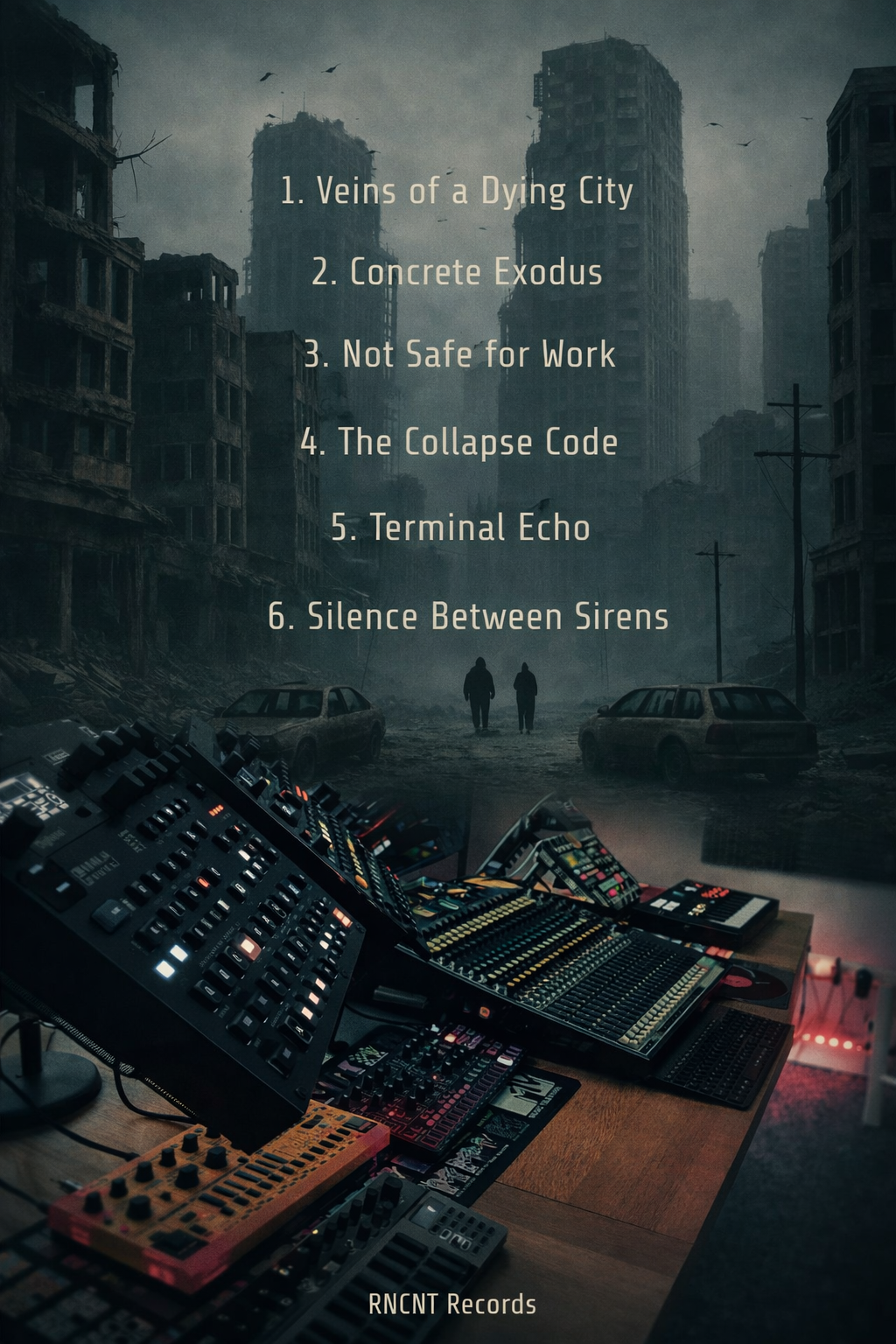
Runcinate Silence Between Sirens EP
In the Room: Three Heads, One Obsession
Mike Mannix: First off — thank you both for speaking with us at IUM. Let’s start at the roots. Looking back, what were your initial musical inspirations that steered you toward dance music and eventually into techno?
Burkey: My older brother started buying some Prodigy albums… The Experience I think he got as a birthday present… and I went… I think I was about 12 or 13 maybe, and I went with him and his mates out to see The Prodigy. He bought a few other kind of albums… I think Ministry of Sound and various other ones. And that was… the start of my love for electronic music.
We used to sneak away to go to festivals in the UK, Creamfields being one of them… in Liverpool many years ago. And geez man, that’s a blast from the past.
And as his story tightens into techno specifically, the language changes. It stops being about artists or tracks and becomes about energy — the thing that can’t be faked.
Burkey: I started really getting into techno in my late teens to early 20s. I just really loved the energy… We started going to things like I Love Techno in Belgium. You walk into a warehouse… and it was… just the energy in the room, man. It was just unbelievable. We would have been going to the Redbox back in the day…
I made a load of fake IDs for my mates back in the day…”
Neil comes at it from a parallel angle — same early spark, different route through the maze. He’s grateful for the platform, then starts rewinding his own tape.
Neil: First influences… would have been The Prodigy… videos on MTV… ‘Voodoo People’ ‘One Love’… and then going from there… listening back to all that.
He namechecks other early-era staples too — Utah Saints, Altern8 — and you can tell he’s tracing how taste hardens over time.
Neil: When I was younger… and actually when I was going out clubbing… the house vibe grabbed me… vocal house… That’s when I started DJing… probably 18… and doing a few bits and pieces, trying my best to get out there
But as I got older I went from vocal house and buying all the vinyl I got into the harder sounds every year. And then moved into techno and breakbeat as well and a lot of different genres I’d listen to and take inspiration from.
So right away you’ve got the shared DNA: Prodigy to rave to clubbing to heavier to techno.
How Runcinate Started: A Slow-Burn Evolution (with a Sitting Room Studio)
Mike Mannix: How did Runcinate get started? Was it a sudden leap or a gradual evolution?
This is where the story gets properly Dublin — not “six degrees of separation,” more like “two pints of separation.”
Burkey explains he knew Kim (Neil’s now wife) from teenage years. Years later she returns from Australia, ends up living with Neil, and the connection tightens.
Burkey: I knew Neil’s wife Kim, she was a mate of mine.
Then comes the gear spark: Burkey has a couple of affordable analogue synths, has messed with Reason, and Neil mentions he has a Korg Electribe.
Burkey: Neil had mentioned that he had a Korg Electribe and I was like, ‘Oh, why don’t you come over one day?’ And so we set up in my mam’s house in the sitting room… hooked it all up and off we went.
It was absolutely garbage now… but that was the beginning…
That detail matters they started real — and then they learned. A friend named Jamal enters the story — a sound engineer and producer who offered Ableton Live tutoring. Weekly lessons, splitting the cost, learning the craft properly.
Burkey: We started going to him on a weekly basis… pay him like 50 quid or whatever between us… That’s how we started to get to understand Ableton Live. Then Neil coming over every week, experimenting, adding hardware, building up a process — back when there were no kids and time felt like it belonged to you. Initially we were called Acidroid… It wasn’t techno… more kind of maybe a bit of electro and techno together.
We started using VSTs, went away from hardware for a little bit and we decided that was a load of bollocks. So we decided to go back to hardware…”
Neil: David invited me over to his mam’s house at the time… invited me over for a jam and basically… a smoke infused jam and went from there.
He confirms the early years were messy, but productive.
Neil: Made a load of nonsense for a few years but then it evolved… got a friend of ours, Jamal… he gave us a few tips and lessons… we created our first project… Acidroid.
Then a huge early milestone: the first finished track got signed and released by a New York label.
Neil: The first track we ever finished got signed and released by a label in the New York label called Rotten Music. They’d picked us up and released a good few of our tracks.
He describes that era as always hard, but more electro-leaning. Then comes the pause — kids, life, less time — and eventually the return with a new name and a reset mindset.
Neil: We probably took a little bit of a break. I had a few kids at first… Decided to come back a few years ago with a new project… rename the project… Start From Scratch. Basically, that’s how Runcinate was born.
So no, not a sudden leap. More like a long trek — with a few detours, a couple of pit-stops, and then a sharper arrival.
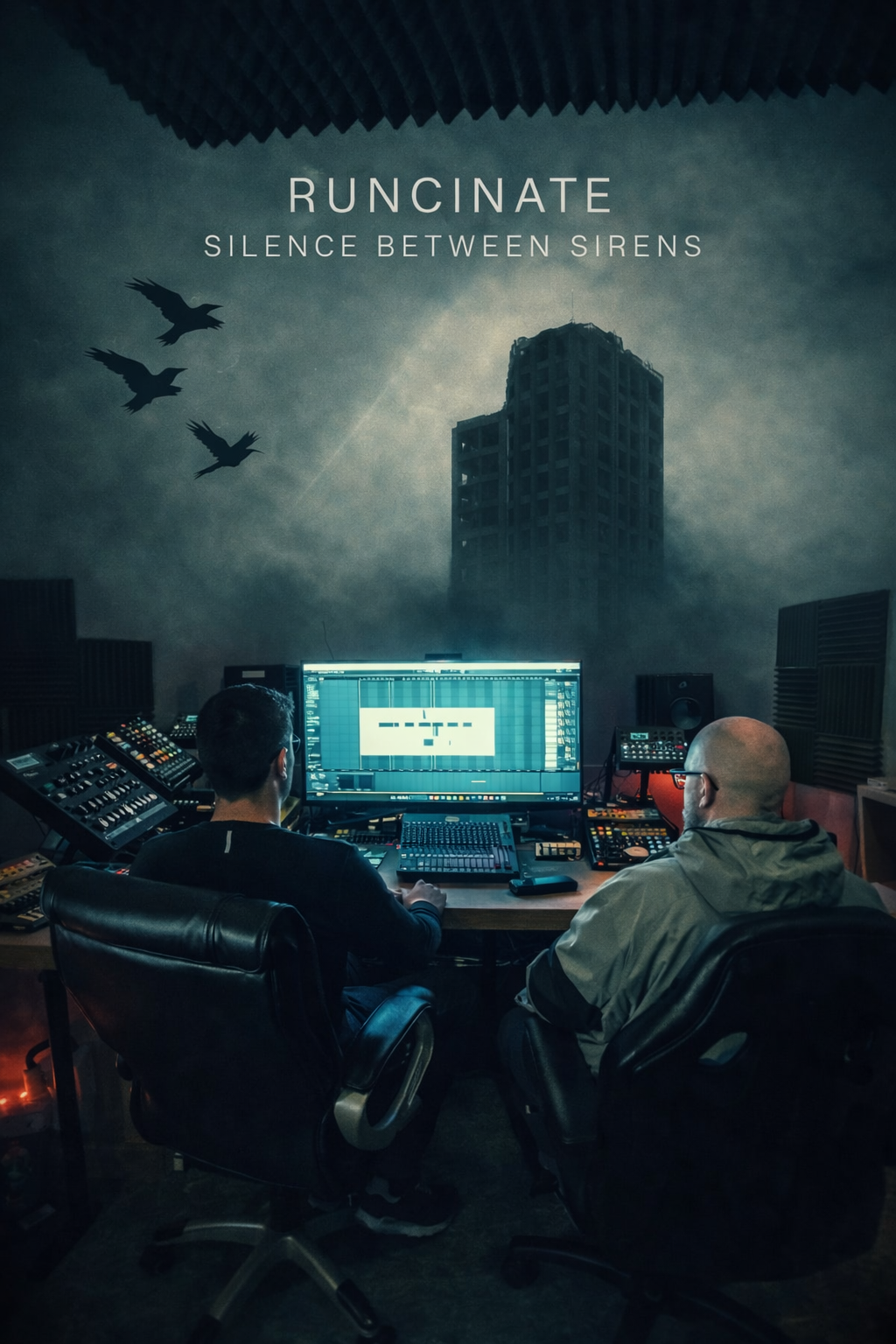
Runcinate Silence Between Sirens EP
Silence Between Sirens: No Blueprint, Just a Jam (Until It Bites)
Mike Mannix: Your EP Silence Between Sirens is absolutely savage. What was the inspiration behind it, and what were the key steps in your production process from idea to finished tracks?
The compliment hits them properly — because they’ve been in a “family-and-work bubble,” and outside validation means something.
Burkey: It’s nice to hear that… we kind of went into our own little bubble. So to hear from an outside perspective… it’s really nice to hear.
Then he makes the most important point: they don’t sit down with a strict plan.
Burkey: Neil and I don’t specifically sit down and say we’re going to make this or we’re going to make that.
Instead, it’s hardware-first — Elektron machines, synths, 303-style gear, Hydrasynth, Electribe — and they split roles in the moment: one building beats, the other shaping tones.
Burkey: Neil might make a few beats… and I might start working on something… We… start jamming basically…”
Here’s the part that really defines Runcinate: they don’t record while searching. They build patterns and patches on the machines until the track feels right, then save and move on — building a batch of ideas first.
Burkey: We don’t do any recording when we make our sound… we’ll just save it… move on to the next one… We usually make about seven or eight tracks.
Only after they’ve got that batch do they go back, tweak, and then record. And when they record, they swing for it.
Burkey: We record in one take… We kind of have an idea how we want the track to go… do a dry run or two… And then we go to record.”
That “one take” thing is everything. It means the tracks aren’t assembled like spreadsheets. They’re performed — which is why they feel alive.
Neil backs up the same philosophy: restraints kill creativity, so they jam without a fixed “vision,” letting the sound reveal itself.
Neil: We don’t set out with a goal from the start… you’re putting restraints on yourself… We make our best music by just jamming.
He describes their setup like a cockpit: full hardware rig, multiple synths, drum machines, samplers — and the only “preplanning” is loading the samplers with the kind of sounds that fit the mood.
Neil: The only preplanning… preload the samplers with the samples that we want… that would kind of carve your sound…
Then: live recording, multi-channel capture into Ableton.
Neil: We record all down in one go… all our synths put into a 32 channel mixer… into an audio interface… into… Ableton… so we can record 22 channels down at one time simultaneously.
After recording eight jams, they go back and do the real editing work: chopping, structure, effects, EQ, mixing — and then the ruthless selection process where only the strongest become the EP.
Neil: We usually whittle down… these five will sound great as an EP… three might get left behind… left in the pile.
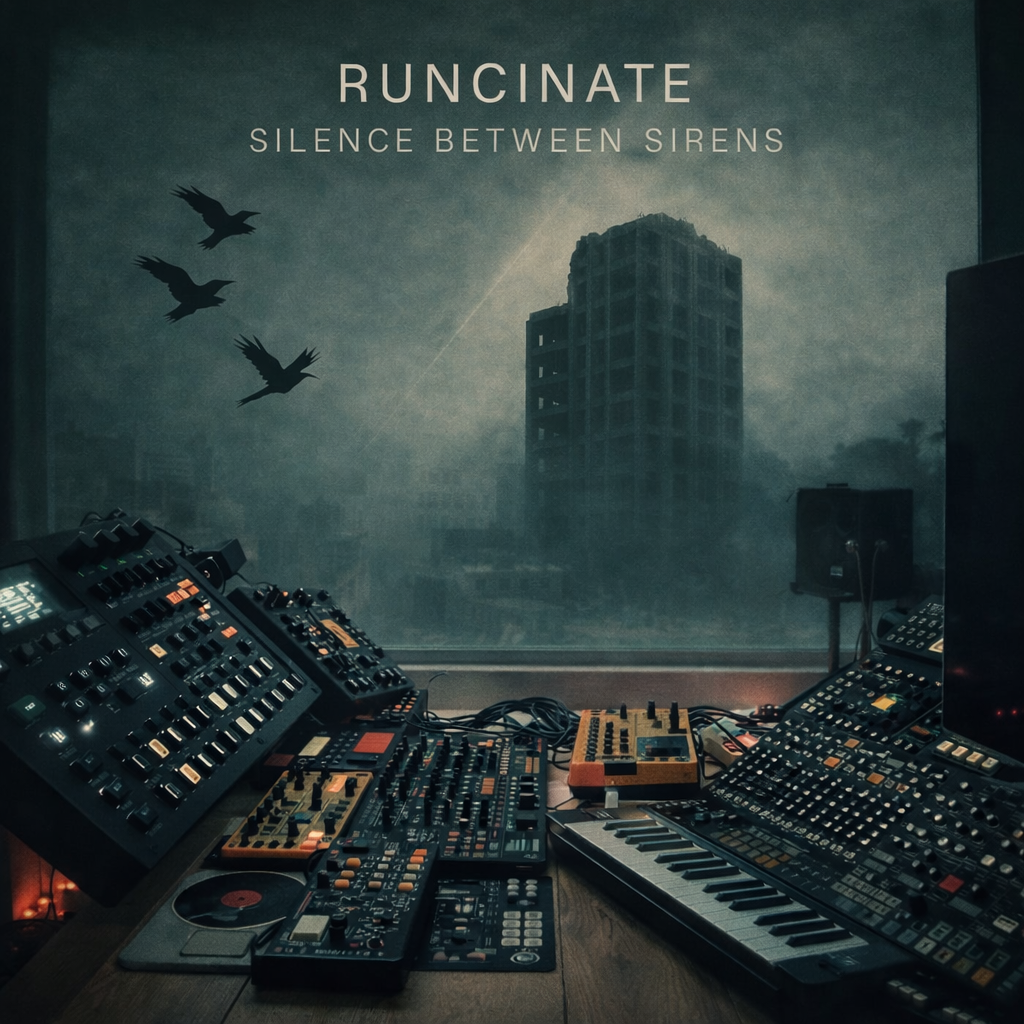
Runcinate Silence Between Sirens EP
The Hardest Part: Time, Restraint, and the Mixdown “Outside Ears
Mike Mannix: What was the toughest challenge you faced while creating this EP? Was there a point where you nearly scrapped a track or changed direction?
Burkey answers like an adult who still wants to live like he’s 22 and free every weekend: time is the enemy.
Burkey: The biggest challenges for us is to get as much time… It’s getting time to get it right.
And geography doesn’t help.
Burkey: He lives over the south side and I live over in Swords…”
On the music side, he explains a key limitation of their process: because the track is born as a full living hardware jam, adding something later can feel wrong.
Burkey: We found it’s hard to add something in… our process is that all kind of sounds all together on the hardware… adding something in later doesn’t always work…”
He admits there’s “plenty of scrappage,” and also the psychological trap every producer knows: looping something until your brain starts lying to you.
Burkey: You’ve listened to a loop over and over again and your mind starts playing… maybe I’m not really feeling this tune… but then maybe Neil might do something… and it just kind of starts clicking…”
Then he gets into something that’s honestly one of the most important parts of the whole conversation: mixdowns, and the value of outside feedback.
Burkey: Mixdowns… we don’t sometimes have that outside perspective… For the first time, we kind of got the feedback we needed… tweaks… to the low end… percussion… That feedback was absolutely critical…
It’s the difference between “this is savage in our room” and “this translates everywhere.”
Neil frames the biggest creative challenge as restraint, especially with two people and a lot of gear.
Neil: Our biggest challenge… stripping it back… too many sounds is never good… Usually removing and letting the other sounds breathe makes the tracks better.
And then he drops a detail that tells you why Runcinate works: no ego. They’re direct, even brutal, but in service of the music.
Neil: We’ve a good vocal relationship, not afraid to tell David that his bass lines are shit or my percussion’s shit…”
They even have a hard rule for track selection: if one loves it and the other doesn’t, it doesn’t go out.
Neil: Sometimes there’s been tracks that David likes or I like, but one of us doesn’t. So they just won’t go on the EP.”
Advice to New Producers: Chase the Craft, Not the Clap
Mike Mannix: For aspiring DJs and producers coming into an already crowded scene, what advice would you give on being creatively original and finding their own sound?
Burkey answers from a place of experience — not superstar posturing, but real-life continuity.
Burkey: Do it because you love the passion… do it for the passion and the interest and the hobby. I meet Neil every Friday… we whack out techno and blast it out on the speakers for three, four hours every Friday night…
just dive into the hardware… mess with the oscillators and frequencies… create this crazy sound… there’s something really fulfilling around that
Neil is more upfront.
Neil: Don’t try to copy people. Listen to other people, get inspiration from other people, get inspiration from other producers and probably not their structure and their sounds they use, but how them sounds are produced and how they fit in the mix is probably what I would take the most from.
Then be true to yourself. Just whatever you like sound wise, make, don’t just try to make it sound like sound like someone else.
I suppose we found that trap long, long time ago and you just get stuck in a loop to try sound like a certain thing.
Don’t rush it, just be yourself, make a track that you like and if other people like it, brilliant. Just keep making the stuff you like sooner or later. If you put enough work into your craft and put enough time, effort, heart, everything, someone will like it and someone will pick it up!
The Scene: Dublin After Covid, the Licensing Fight, and the Phone Problem
Mike Mannix: How do you see the underground techno scene now in Ireland and around the world, and where do you think it is heading in the next few years?
Burkey starts with honesty: with kids, he’s not as plugged-in as before. But he has a clear sense of what changed.
Burkey: I think Dublin suffered from the Covid era… a lot of the clubs obviously suffered… I think that did have an impact…”
He brings up Sunil Sharpe and Give Us The Night, pointing at licensing reform and closing times as a real structural issue.
Burkey: Sunil Sharpe… pushing Give Us The Night… uplift the scene… break up closing times…”
Then Burkey turns fully romantic about the kind of rave environment he loves — the opposite of glossy, overproduced spectacle.
Burkey: Give me a strobe light and banging techno and I’ll be happy as Larry. But one thing that’s kind of ruining the club scene… is phones… people… recording the whole set… I think it’s bullsh*t… I think that needs to be banned.
Neil gives the broader cyclical view: Dublin’s scene is small but loyal, and genres move in waves.
Neil: Dublin has always had a small but loyal and very dedicated underground scene… different genres… peaks and troughs… its always had a real strong core techno scene… Some great techno producers in Ireland. Always been and always will be!
Runcinate’s Real Signature Is Trust
When you strip away the gear lists and the scene talk, what makes this interview feel alive is the human engine underneath: two mates who’ve spent years learning how to disagree quickly, laugh it off, and get back to the track.
They’ve built a process that’s almost defiantly physical: jam first, record live, edit after, keep what survives. They’ve also built a standard that’s almost old-school in its discipline: if it doesn’t hit for both of them, it doesn’t go out.
And Silence Between Sirens feels like the product of that exact approach: not “perfect,” but captured.
If you want techno that sounds like it was made by people who still care about the magic of a dark room — not the glare of a screen — Burkey and Neil are very much still in the fight! Savage EP!
Buy Silence Between Sirens here bandcamp