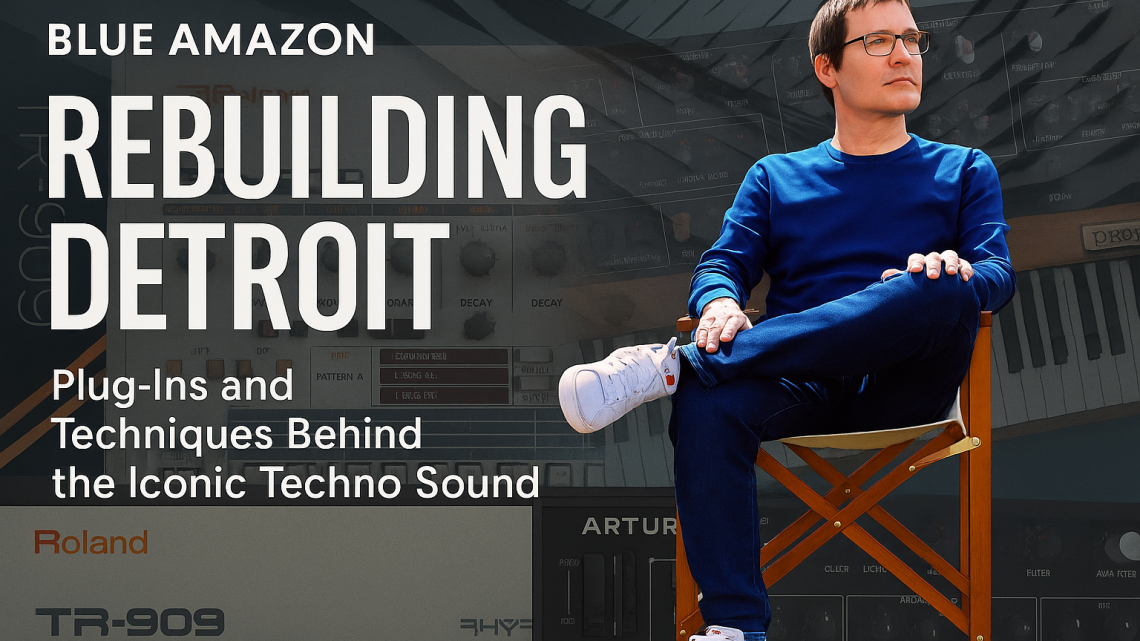
Blue Amazon Rebuilding Detroit: Plug-Ins and Techniques Behind the Iconic Techno Sound
December 11, 2025
Blue Amazon
The Detroit sound isn’t easy to emulate. It’s not a simple paint-by-numbers digital exercise, nor is it something that can be reduced to a preset or a formulaic approach. Its roots run deep, influenced by a vast and diverse range of music, technology, and cultural movements, making it one of the most unique and innovative sounds in electronic music.
While house music was heavily shaped by disco and its transformation into an electronic format, Detroit techno wasn’t a direct response to disco at all. Instead, it emerged in the early 1980s, drawing from multiple sources and forging a new, futuristic path. Funk and soul played a crucial role, with artists like Parliament-Funkadelic, Prince, and Motown acts inspiring the groove and rhythmic foundations. European electronic pioneers, particularly Kraftwerk, brought a sense of machine-driven precision, while Giorgio Moroder and early electro artists such as Afrika Bambaataa introduced a raw electronic edge that resonated with Detroit producers. Unlike Chicago house, which was more soulful and vocal-driven at times, Detroit techno had a colder, more industrial aesthetic.
Beyond musical influences, Detroit techno was deeply intertwined with themes of sci-fi and futurism. Concepts of technology, Afrofuturism, and dystopian imagery played major roles in shaping the city’s electronic sound. Detroit techno is about innovation, forward-thinking creativity, and pushing boundaries. It remains one of the most influential sounds in dance music, continuing to inspire producers and shape the evolution of electronic music worldwide.
There’s no denying the impact of Chicago house either. The pioneers of house music pushed electronic music forward globally, and acid house went even further, injecting hypnotic sequences into the underground scene. Though Detroit and Chicago took different paths, both shaped the electronic music movement in profound ways.
roland-tr-909-software-
Drums: The Foundation of Detroit Techno
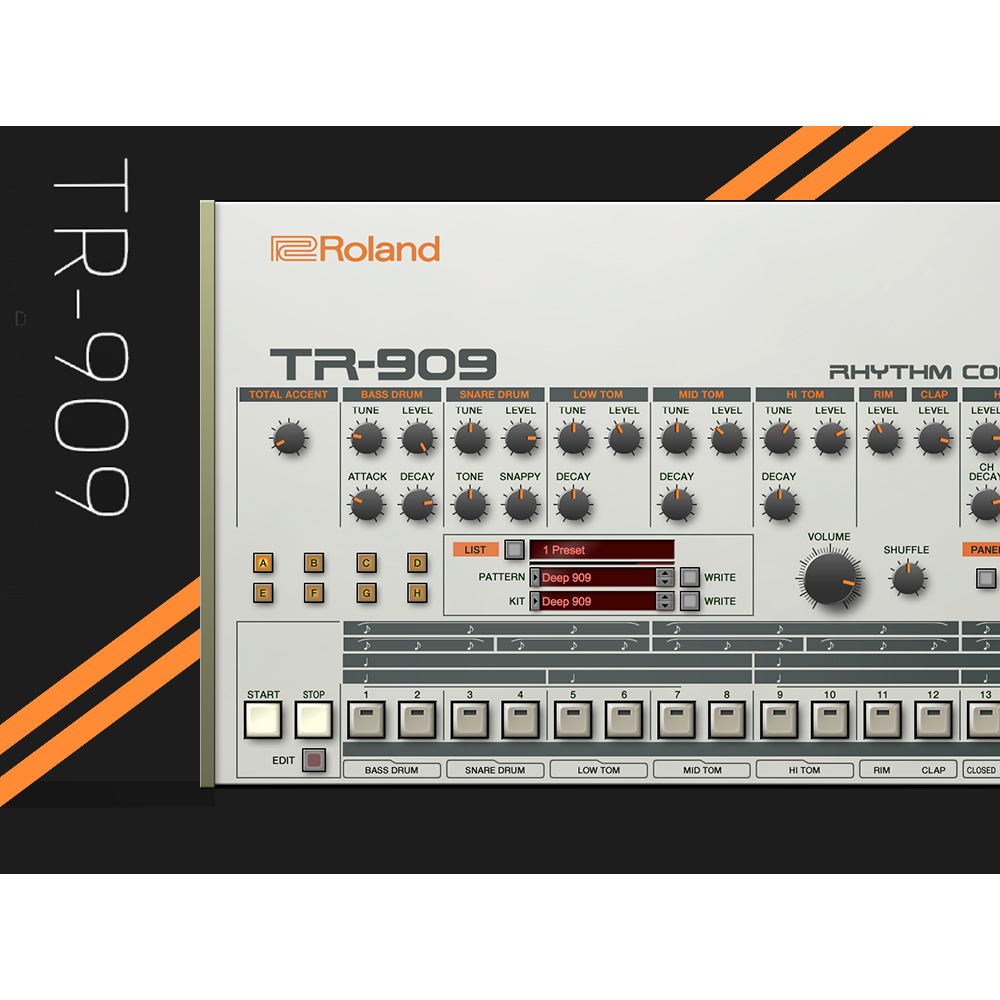
A clear choice is the Roland TR-909, or more realistically today, the Roland Cloud TR-909 software emulation.
Some argue the 909 wasn’t the original drum machine of Detroit techno, and that’s fair. Listening to early Model 500 tracks like No UFOs, the drums resemble a LinnDrum more closely. Many foundational Detroit records also leaned on the warm, booming tones of the Roland TR-808.
As the genre evolved through artists like Kevin Saunderson and Inner City, the 909 became more prominent. Jeff Mills famously champions the machine, performing live on it with unmatched precision.
The Roland Cloud TR-909 is one of the most accurate digital recreations available, capturing the punch and character of the hardware while offering modern conveniences such as MIDI drag-and-drop and extended editing.
DX7
Digital Synthesis: The Yamaha DX7 and Its Role in Detroit Techno
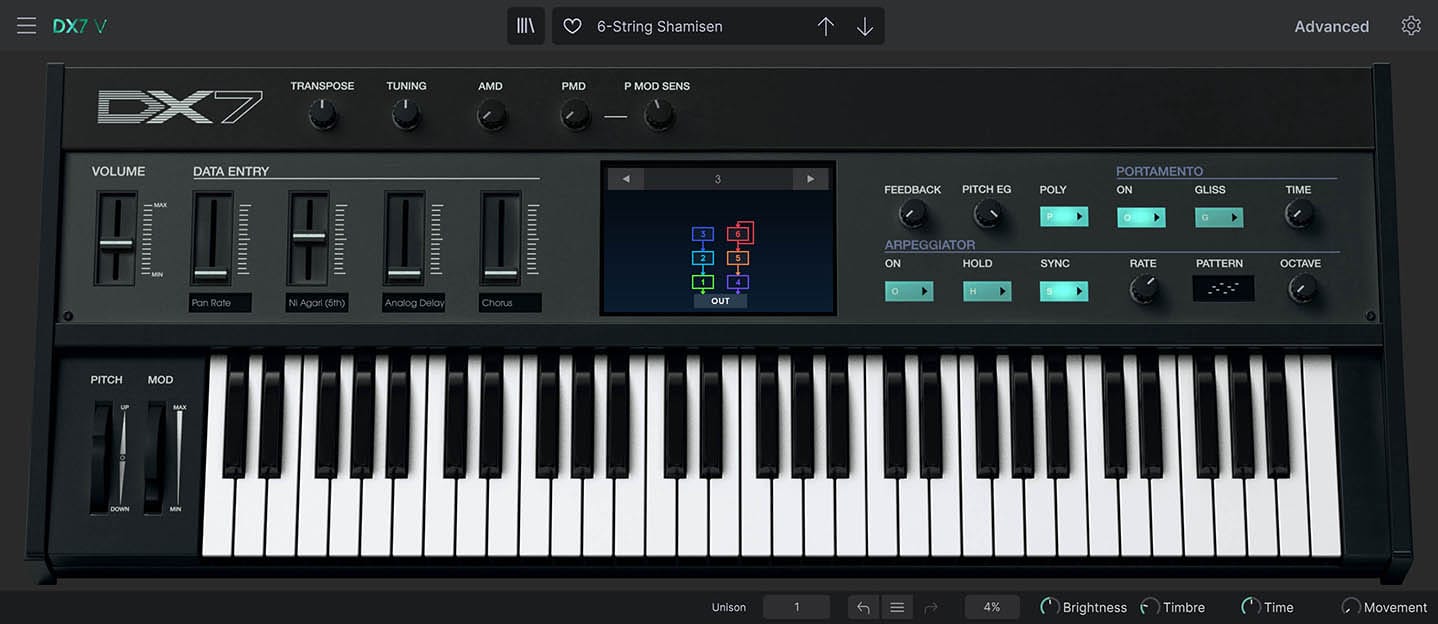
The Yamaha DX7 was groundbreaking and massively influential. Released in 1983, it brought FM synthesis to the masses, producing crisp, metallic, harmonically rich sounds that contrasted sharply with warm analogue synths.
FM’s sharper, more mechanical tone made it ideal for Detroit techno’s futuristic sound palette. Airy pads, metallic stabs, percussive sequences, and distinctive basslines became signature elements.
Arturia’s DX7 emulation delivers the classic FM character while offering a more intuitive interface than the notoriously difficult hardware.
Prophet 5
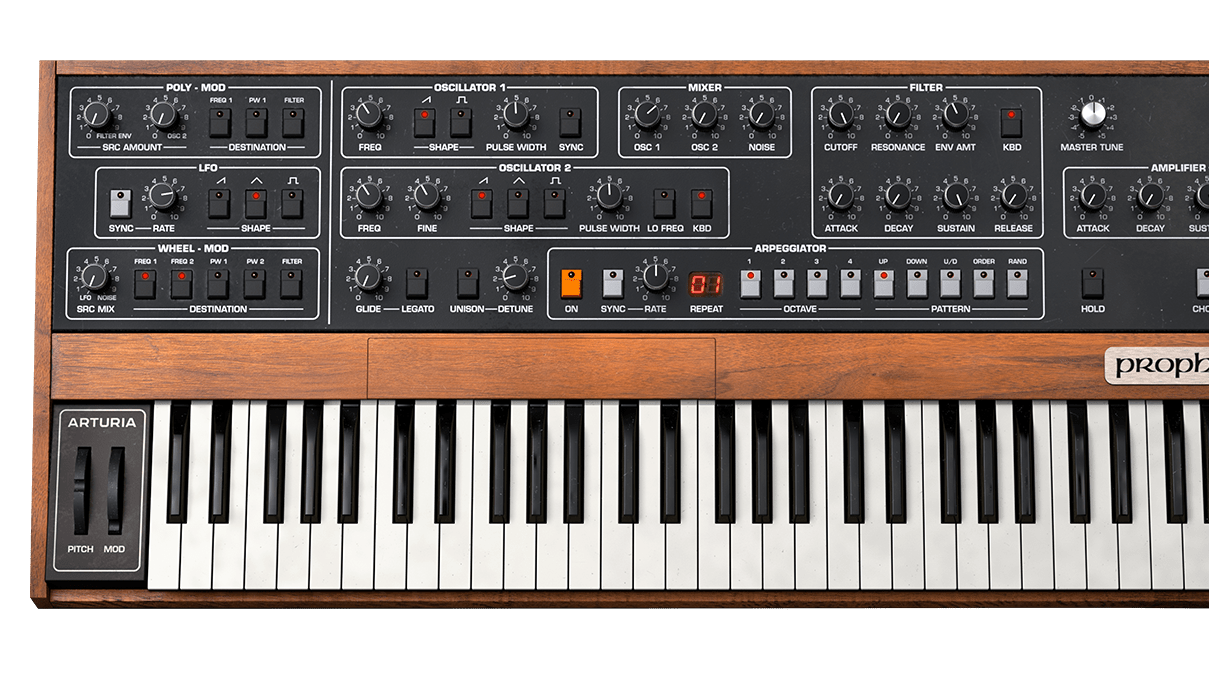
More Synths – Sequential Circuits Prophet-5 (Arturia)
Released in 1978, the Prophet-5 was the first fully programmable polyphonic synthesizer. Its warm analogue tones, filters, and recall features made it a favourite among electronic pioneers, including Detroit producers.
Unlike the digital chime of the DX7, the Prophet-5 delivered warm basslines, lush pads, and evocative leads. Derrick May used it for iconic works such as Strings of Life and Nude Photo. Kevin Saunderson leaned on it heavily for Inner City’s Big Fun, while Juan Atkins likely used it to shape the futuristic textures of Model 500.
Roland galaxy_tape_echo_carousel
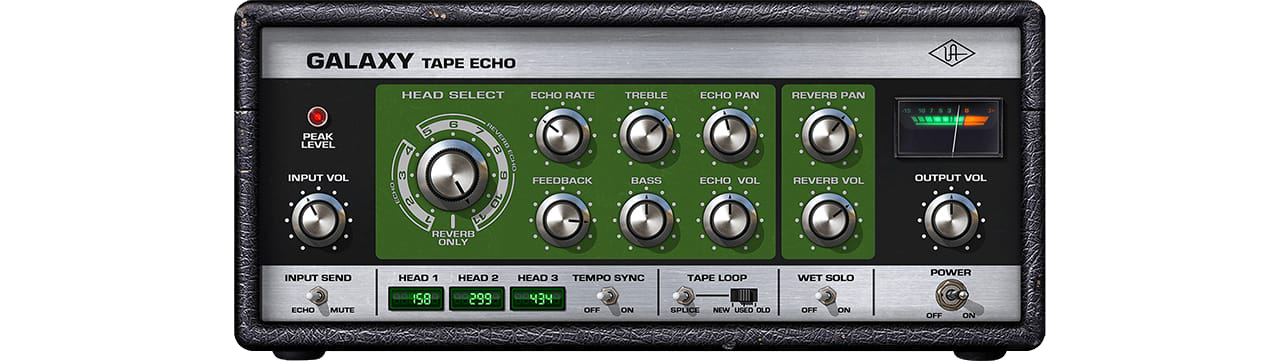
Tape Delays – Roland RE-201 Emulation (UAD)
Tape delays create syncopated rhythms and expansive atmospheres central to Detroit techno. The UAD Roland RE-201 is one of the finest emulations available.
Short feedback loops create evolving rhythmic echoes that drive the groove forward. Meanwhile, tape-style “wow and flutter” adds subtle pitch movement and warmth, giving tracks an organic, slightly unpredictable edge.
sampling 3.2_waveform
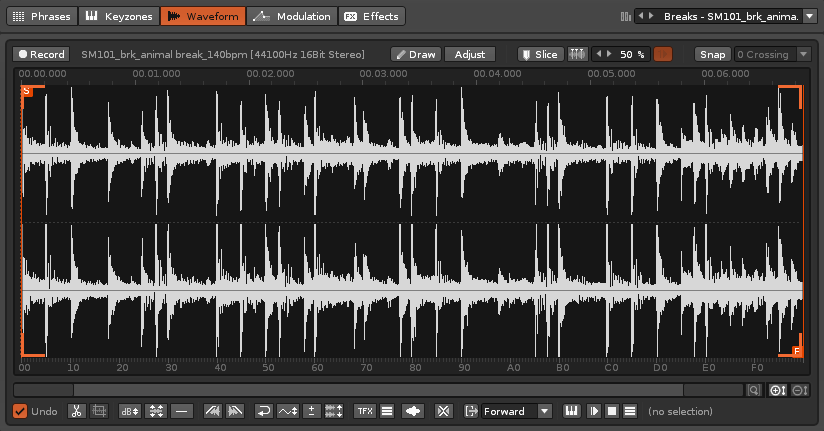
Sampling and Samplers: Any Standard DAW Sampler
Today’s producers can use a huge range of samplers: Kontakt, Cubase Sampler Track, Ableton Simpler/Sampler, Logic’s Sampler, Serato, Maschine, and more.
Sampling was vital in early Detroit techno, enabling producers to re-trigger sounds, reshape textures, and build dynamic layers. Early tools included the Akai S950, Emu SP-12 and SP-1200, and the Ensoniq Mirage.
Inner City’s Big Fun famously uses a simple three-note chord sampled across multiple keys. These techniques showed how sampling could turn simple ideas into unforgettable hooks.
Try recording your own chord progression, chop it into hits, then retrigger, reverse, or process it to generate new textures and energy.
Credits
Blue Amazon – Lee Softley
Lee Softley, known as Blue Amazon, has long been respected in electronic music. His work includes the progressive classic No Other Love and the Javelin album. He has remixed artists such as Sasha, Skunk Anansie, New Order, Placebo, and Madonna.
His underground collaborations span work with Alex Flatner and Robert Owens on Kling Klong Records, as well as projects with Disscut, Louie Le Fink, and Zak Gee, including their acclaimed Interpretations series.