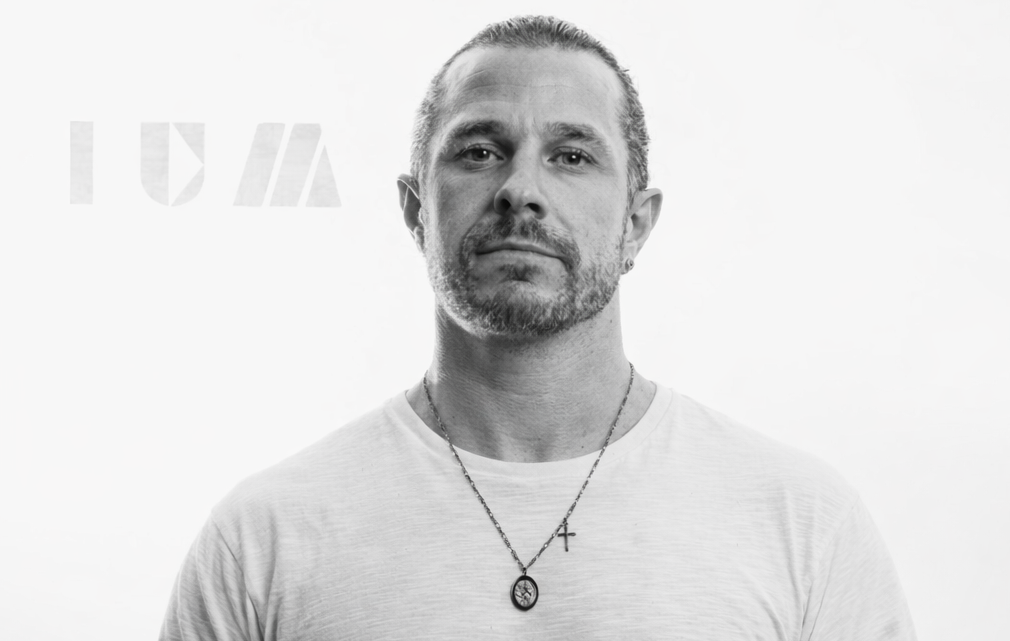
Richie Blacker – From Belfast Bedrooms to Global Dancefloors: Grief, Grit and the Relentless Search for a Signature Sound
February 27, 2026Interview Editing Mike Moggi Mannix
Arranged Sean Byrne
Richie Blacker’s story isn’t just another DJ-makes-good tale. It’s a journey forged in the half-lit bedrooms of Belfast in the early ‘90s, built on dusty rave tapes, and shaped by decades of obsession with underground electronic music.
From sneaking into his older brothers’ rooms to listen to Orbital and Andrew Weatherall, to eventually landing releases on labels like Sasha’s Last Night On Earth and Skream’s Of Unsound Mind record labels, Blacker has quietly become one of Ireland’s most distinctive producers. His rise has been anything but overnight. It’s been a slow burn powered by patience, persistence and an almost stubborn refusal to compromise on authenticity.
But behind the Beatport No.1s and Radio 1 accolades lies a much deeper, more human story. In recent years, Blacker’s life was hit by an avalanche of personal tragedy – the loss of both parents, his best friend, and more – events that could have derailed any career. Instead, they reshaped his relationship with music and forced him to confront the realities of life on the road. Sitting down with me in a candid, no-filter conversation, Richie opens up about the early days, the grind, the glory, and the grief that ultimately brought him back to the studio with renewed purpose. What follows is a raw, honest dive into the mind of an artist who has been through the fire and come out still swinging.
Early Days – Rave Tapes and Big Brothers
We start at the very beginning – not in clubs or studios, but in a family home in Belfast in the early ‘90s.
Mike Mannix: So what kicked it all off? When did you get the bug?
Richie Blacker: I got the bug really, really early on. My brothers, Ciaran and Paul, they were ravers. I would’ve been about five or six.
They were heading to raves in Belfast, going to Sugar Sweet at the art college, to Hellraiser at The Ulster Hall.
Mike Mannix: What year are we talking?
Richie Blacker: That would’ve been ’91, ’92.
Straight away you can hear the excitement in his voice as he remembers it.
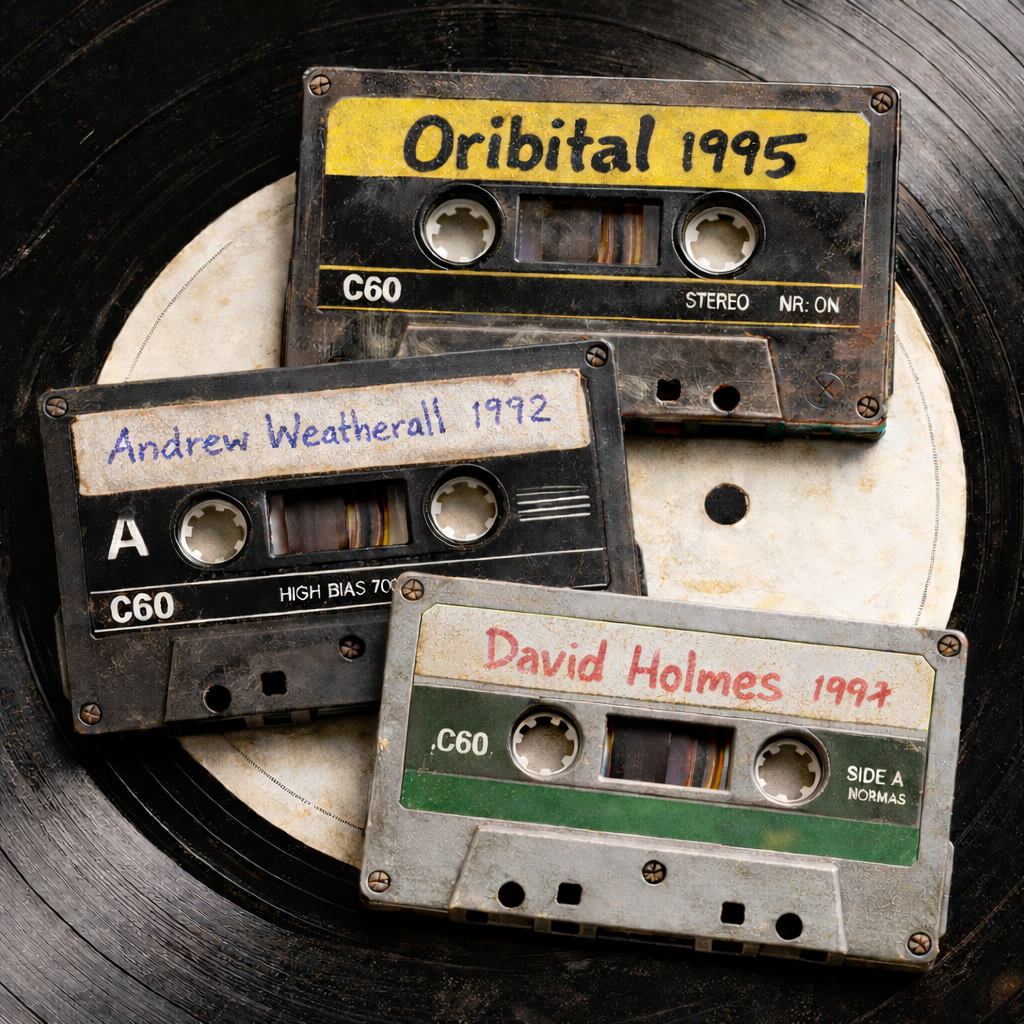
Old Rave Tape Cassettes
Richie Blacker: They were going to see Orbital, Andrew Weatherall, David Holmes. Proper legends. They used to get ready in the top room of the house. I’d sneak up and sit on the end of the bed listening to the rave tapes they were playing before heading out.
He laughs at the memory.
Richie Blacker: Once they’d leave I’d sneak back up and turn the music on low, shitting myself in case my ma caught me. That was my introduction to electronic music –
straight into the underground side of it.
Those early influences stuck. Unlike many kids who came in through commercial dance, Richie was thrown straight into the deep end.
Richie Blacker: I remember hearing Daft Punk’s Homework for the first time and thinking ‘what the fuck is this?’ I didn’t even understand it, but that’s what intrigued me. The weirdness of it.
While classmates in school were getting into 90s trance, Richie was on a different wavelength.
Richie Blacker: All the lads were into Tiësto and that side of things. I’d never even heard of him at the time because I was only following what my brothers were into. That’s where my melodic side comes from –
old ’90s trance, mixed with the underground edge of Orbital and Leftfield.
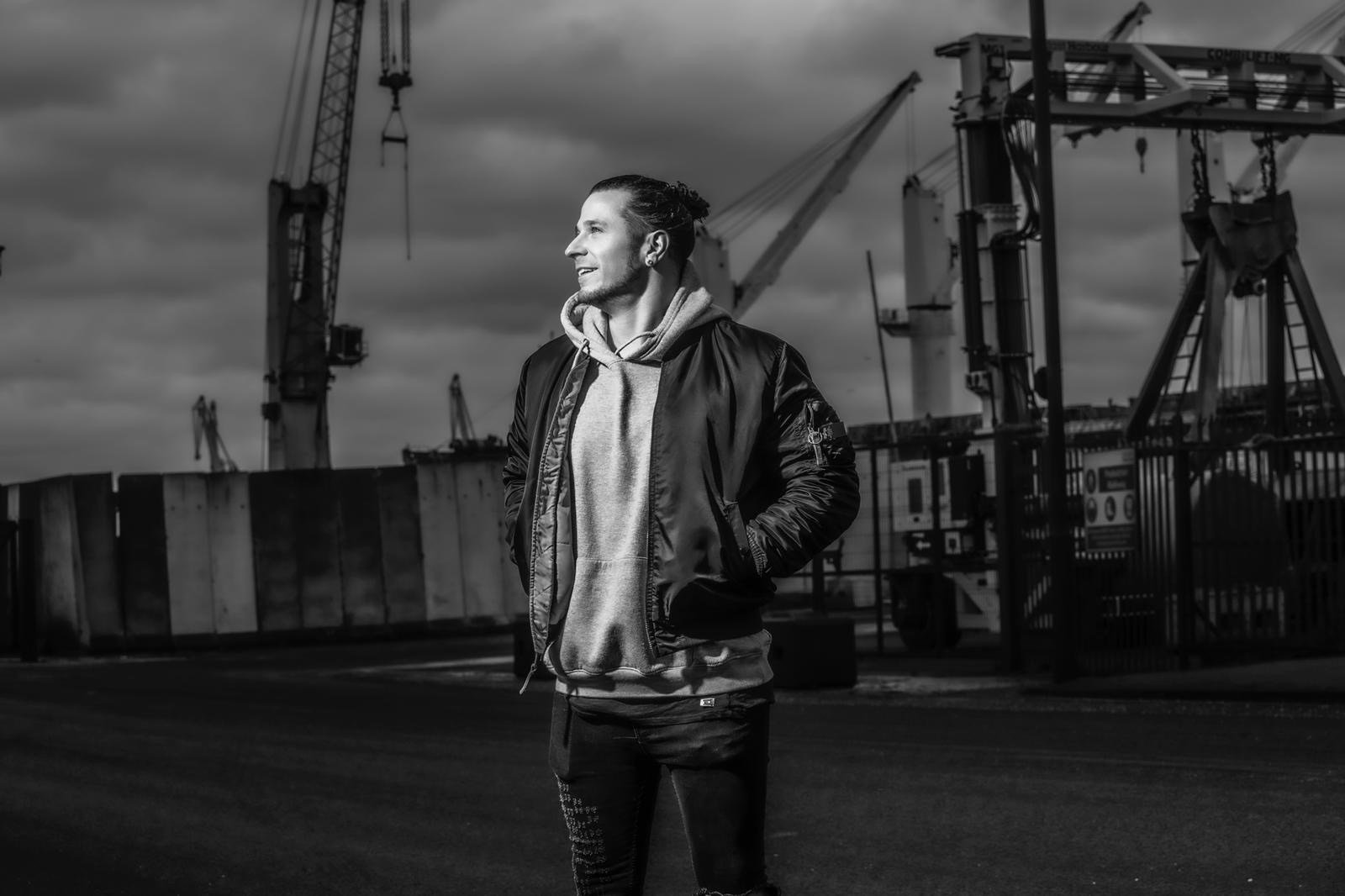
Richie Blacker Photography Conor Quinn
First Steps Behind the Decks
By his late teens, that obsession turned practical.
Richie Blacker: I got a set of decks for my 18th birthday and it just took off from there.
From bedroom DJ to Belfast resident wasn’t an instant leap, but it didn’t take long either.
Richie Blacker: When I was about 21
I got the balls to start going round Belfast trying to get gigs. Warm-up slots, DJ slutting basically,”
he laughs. “Eventually I became a resident for a club called Mint.
Those were formative years.
Richie Blacker: They had Kinetic on Fridays and Yellow on Saturdays – massive nights. Biggest rival to Shine at the time. That was my first real platform.
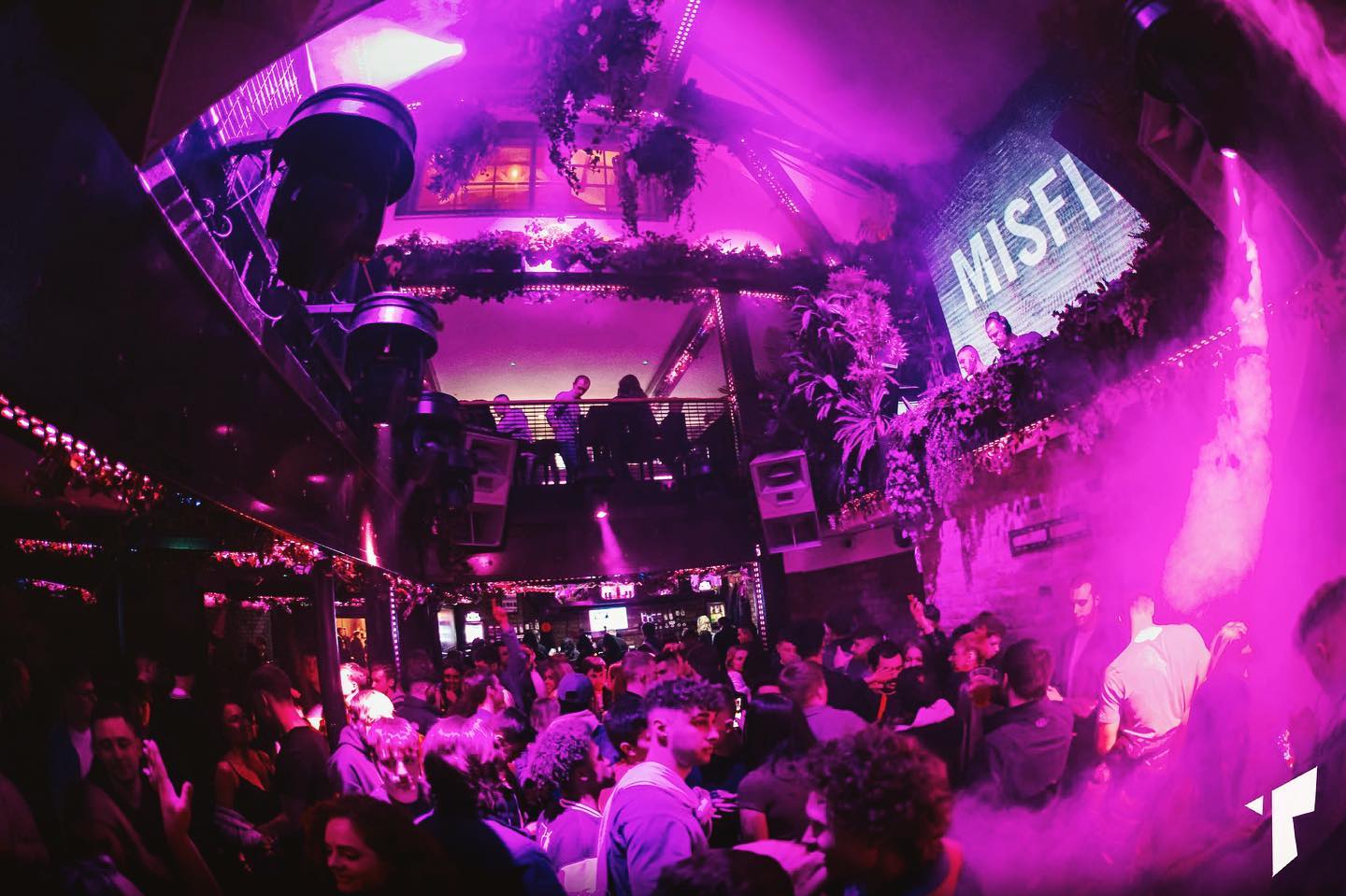
Richie Blacker Richie Blacker Photography Conor Quinn
Ibiza seasons followed. Headed over to the white isle to pursue the dream and getting a few sneaky warm up slots at Eden, Sankeys and Es Paradís ……… The dream on paper – but something was missing.
Richie Blacker: Around 25 I came back from Ibiza and realised I needed to take production seriously.
I’d been dabbling since 19 but nothing was good enough. I knew it.
There’s no ego when he says it. Just honesty.
Richie Blacker: I wasn’t playing my own tracks because they weren’t there yet. If I wanted to get to the level I dreamed of, I had to focus.
Breakthroughs and Beatport Battles
The grind eventually paid off.
Richie Blacker: I was about 28 when
I signed to Sasha’s label and Skream’s label in the same year. That’s when things started really taking off.
Then came the moment that changed everything.
Richie Blacker: Five years ago I signed another EP to Skream’s label. Loads of DJs picked it up and started playing it. But it was John Digweed who picked it up, played it on his Transitions radio show and it blew up. The response was insane. When it got released it went straight to Number 1 on Beatport – overall genre.
He pauses, almost still amazed.
Richie Blacker: David Guetta was number two and Adam Beyer was sitting at number three behind me. That was mental.
Danny Howard on BBC Radio 1 got involved.
Richie Blacker: He played my tracks five weeks in a row. He told me his producer never lets him play the same track more than two weeks, but he couldn’t stop playing mine.
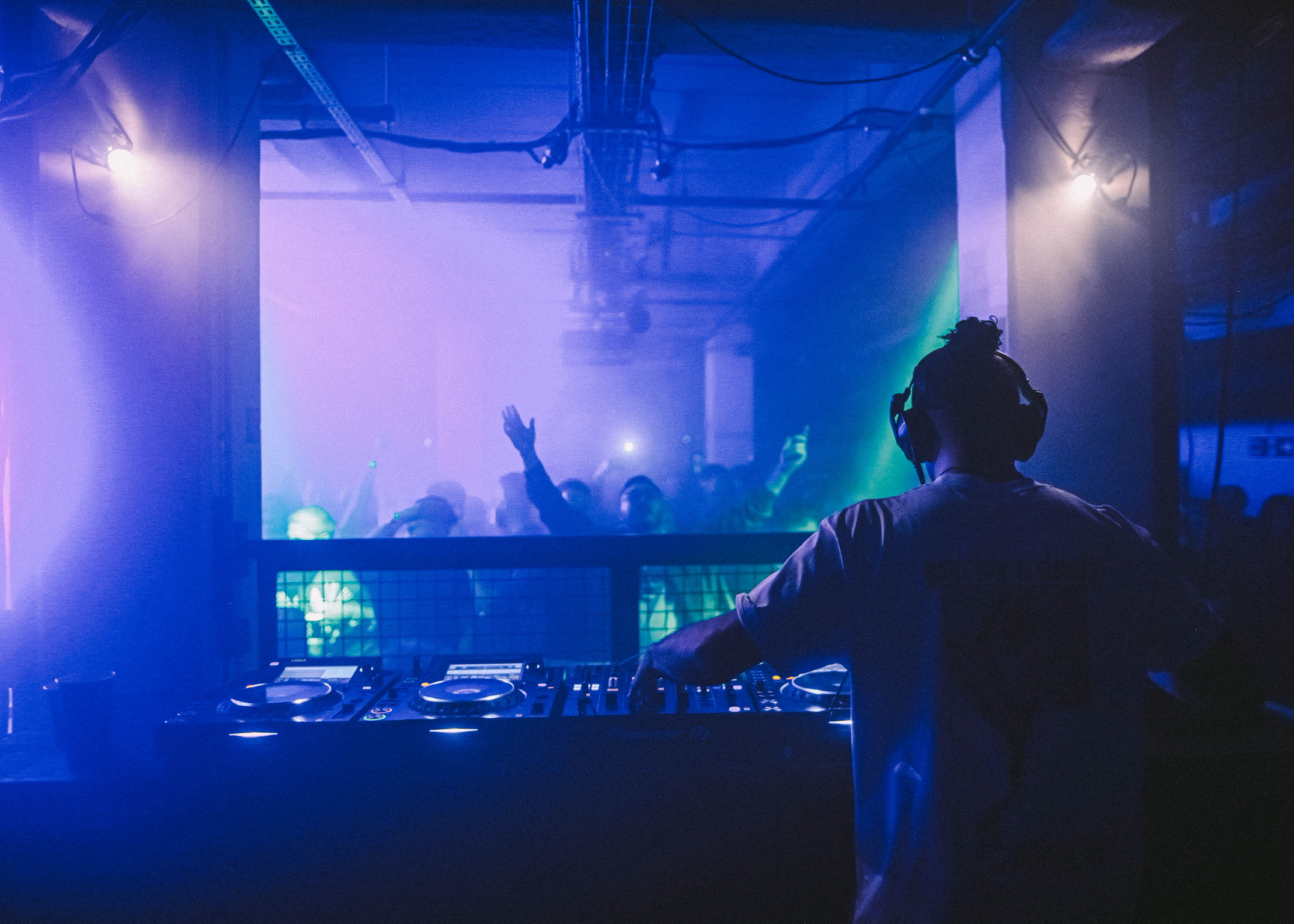
Richie Blacker Photography Conor Quinn
Recognition snowballed.
Richie Blacker: BBC Radio 1, then made me, their Radio 1 Future Fire Artist for 2021. The one to watch!
My tracks were getting played every week on Pete Tong, Danny Howard, Annie Mac and Sarah Storie’s radio shows it was crazy. Touring started, things were flying.
And then life pulled the rug out.
When Life Hits Hard
The tone of the conversation changes here. The laughter fades.
Richie Blacker: My mum took sick with cancer.
What follows is brutal, delivered without theatrics.
Richie Blacker: There was no saving her life. I was in Bristol playing a gig, got a phone call mid-set saying she’d taken a bad turn. I handed the decks to the warm-up DJ and went straight to the airport.
No second thoughts.
Richie Blacker: Couldn’t get a flight to Belfast so I flew to Dublin.
Left all my clothes in the hotel. Didn’t care.
For three months, music didn’t matter.
Richie Blacker: I just stayed home helping look after her.
Then, just as he was trying to get back on track, more devastation.
Richie Blacker: My best friend Paul suddenly died. I had to go and identify his body. Then weeks later my uncle passed away. Then my dad was diagnosed with stage four cancer. We were told he had a year left but he died just six weeks later.
Even his dog then passed away shortly after.
Silence hangs for a moment.
Mike Mannix: Jesus Christ, man.
Richie Blacker: Yeah… it was just relentless. Absolutely fucking brutal.
I was completely heartbroken beyond belief. I was trying to put on a brave face everyday, but I was suffering in silence.
I was drowning in so much grief I didn’t know how to cope with it. I was hurting so much and I couldn’t see a way through it.
Richie Blacker: I felt guilty trying to enjoy my life after all that. Going to Ibiza, Berlin, playing at the Berlin Love Parade to huge crowds – I didn’t feel like I deserved it.
But his father’s words stayed with him.
Richie Blacker: On his deathbed he told me to get back to my music. Said he didn’t want me to be unhappy.
That became a turning point. Music was a massive distraction for me. You could say it saved my life.
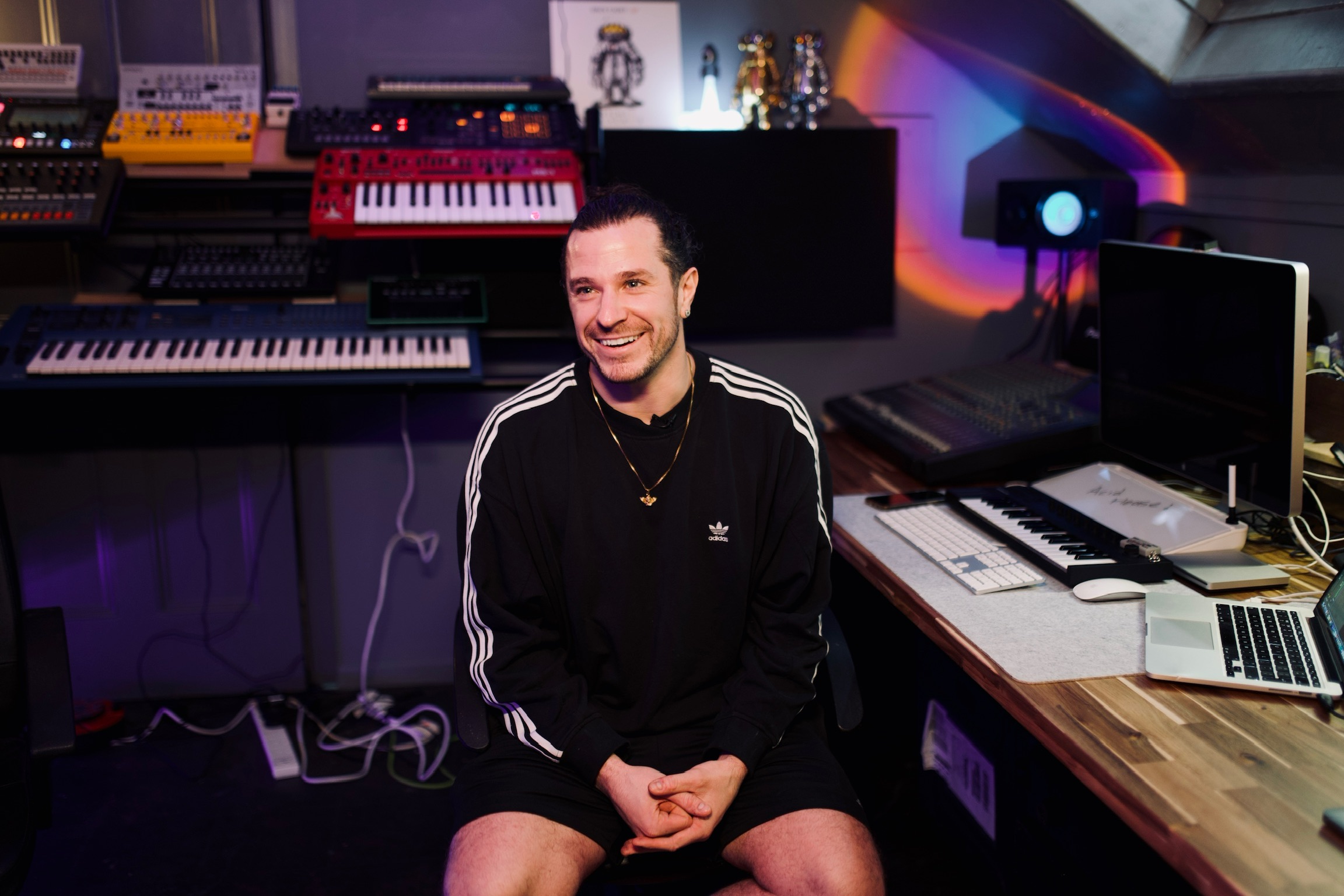
Richie Blacker Photography Conor Quinn
Back to the Studio – Rebuilding the Sound
After stepping away, Richie slowly found his way back.
Richie Blacker: The last year I’ve basically lived in the studio.
And the fruits are showing.
Richie Blacker: I’ve signed two EPs to Sasha, a big summer hit with Armada, hopefully something with Bedrock, Innervisions and Anjunadeep are interested. Things are moving again.
But creatively he’s changed.
Richie Blacker: I rode the ravey piano wave for a while. It worked, and I still love that sound and will continue to put some of that music out. But I don’t want to be just known for that one style or genre. As an artist I have way more to offer. I needed to get back to my melodic, progressive roots.
He’s passionate about originality.
Richie Blacker: Every melodic techno track sounds the same now.
You need to craft your own sound.
Danny Howard once told him:
Richie Blacker: “When you hear a Richie Blacker track, you know it’s a Richie Blacker track.”
That matters more than trends.
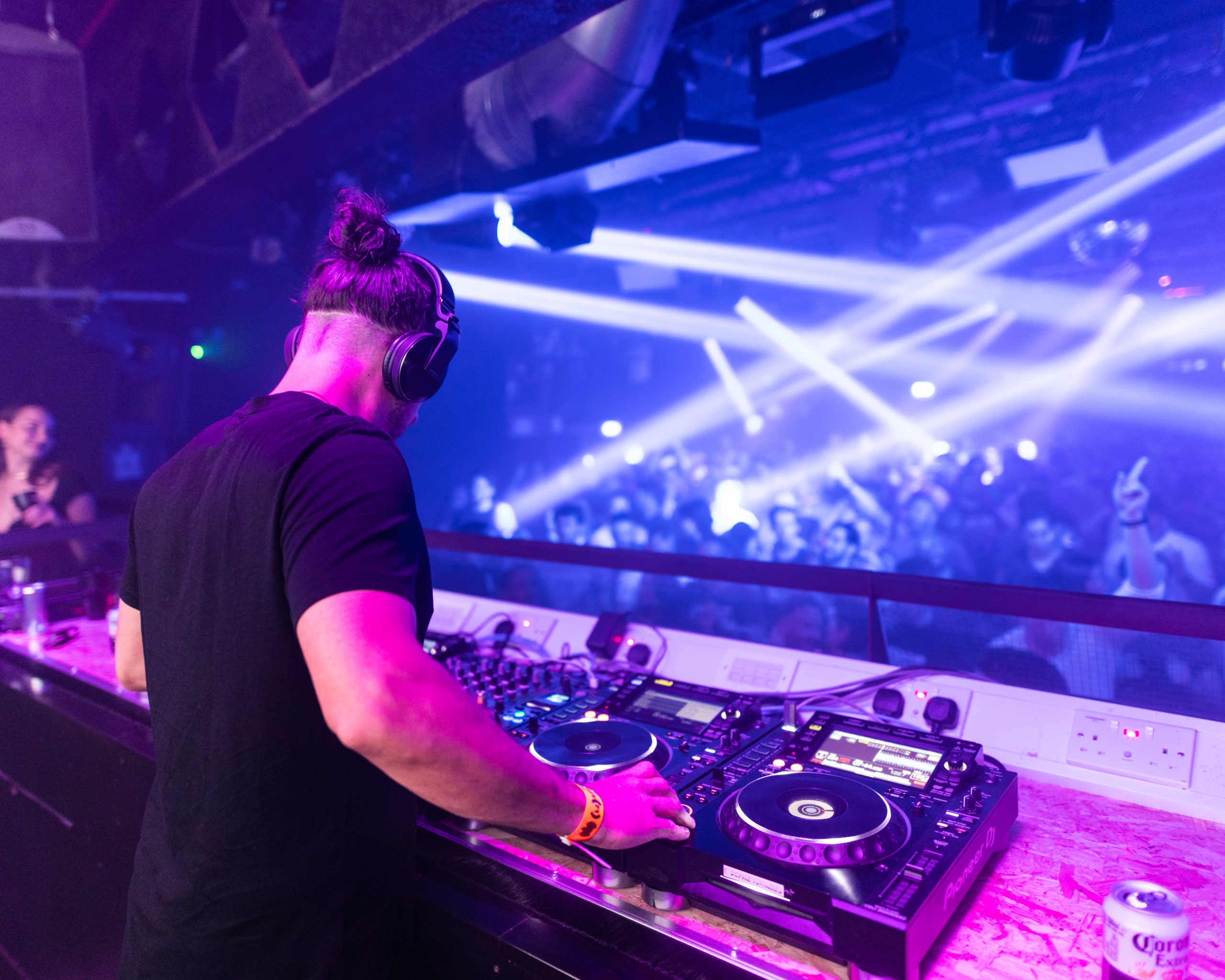
Richie Blacker Photography Conor Quinn
The Art of Finding Your Own Lane
The conversation shifts into philosophy – producer to producer.
Mike Mannix: It’s hard not to chase what’s popular.
Richie Blacker: Exactly. Everyone wants quick glory. But you have to put the time in.
Mike Mannix: Just like Joey Beltram. He didn’t follow trends – he made what he felt.
Richie Blacker: Exactly, today they’re trying to be Jamie Jones instead of being themselves. Don’t get me wrong. I’m not knocking Jamie. I love him and love what he has done. I’m just using him as an example.
Authenticity, to him, is everything.
Richie Blacker: If you spend long enough crafting your sound,
you can make any style and still sound like you.
That’s the goal.
Closing Thoughts – The Long Game
As we wrap up, there’s a sense of calm determination.
Mike Mannix: What’s the message to new producers?
Richie Blacker: Take your time.
Don’t chase clout. Put the work in.
Simple. Honest. True.
Richie Blacker: A masterpiece isn’t done overnight.
This isn’t just the story of a DJ. It’s the story of resilience, passion and staying true to yourself when life tries to knock you off course.
And Richie Blacker? He’s only getting started.